
Classification of serving tray
2024-11-26
Trays can be categorized in various ways based on materials, usage, design styles, shapes, and functionality. Here are some common classifications of trays:
1. By Material
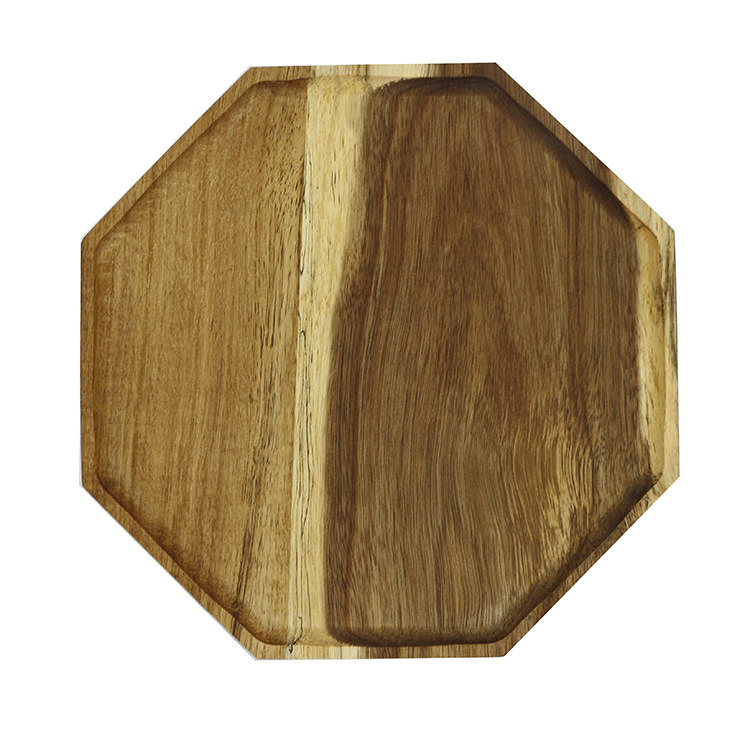
- Wooden Trays: Made from natural wood materials such as oak, walnut, or pine. These trays often have a natural grain and are commonly used in homes, restaurants, and cafes. They are suitable for carrying lighter foods and drinks and offer a classic, elegant appearance.
- Stainless Steel Trays: Durable and resistant to corrosion, these trays are easy to clean and are commonly used in commercial kitchens or for heavy-duty food serving. They are modern, sleek, and can carry heavier items or hot food.
- Plastic Trays: Lightweight and affordable, plastic trays are commonly used in everyday home or commercial settings. They are ideal for lighter foods and drinks and come in a variety of colors and designs.
- Bamboo Trays: Made from bamboo, these trays are eco-friendly and have a natural wood-like appearance. They are often used for serving snacks, tea sets, or as decorative pieces.
- Glass Trays: Typically used for upscale dining or decorative purposes, glass trays are transparent and perfect for showcasing fruits, desserts, or other delicacies. They are aesthetically pleasing but less suitable for heavy items.
2. By Usage
- Dining Trays: These trays are used to transport food and drinks from the kitchen to the dining area. They are generally larger and help carry several items at once, making them useful for family meals or entertaining guests.
- Tea Trays: These trays are designed for serving tea, often sized to accommodate teapots, cups, sugar bowls, and other tea accessories. They are commonly used in living rooms or tea rooms.
- Drink Trays: Used for carrying beverages such as tea, coffee, or cocktails, these trays are often lightweight and easy to carry. They are ideal for use in bars, restaurants, or during parties.
- Food Display Trays: Typically used in retail environments, restaurants, or buffets, these trays are meant for showcasing food. They are both functional and decorative, attracting attention and serving as an essential part of the presentation.
3. By Design Style
- Modern Style Trays: These trays feature simple, sleek designs with smooth lines, often made from stainless steel, glass, or plastic. They are suitable for contemporary homes or commercial environments.
- Vintage Style Trays: These trays have classic and traditional elements, often made from wood or brass. They evoke a nostalgic feeling and are perfect for rustic, vintage, or traditional decor.
- Industrial Style Trays: Made from metal and featuring raw, unfinished looks, these trays reflect the industrial design aesthetic. They are often used in modern, minimalist, or industrial-themed spaces.
4. By Shape
- Square Trays: Common in modern homes, square trays are simple and elegant, often used for carrying utensils, snacks, or small dishes.
- Round Trays: Typically used for formal occasions like afternoon tea or cocktail parties, round trays have a softer visual appeal and are ideal for tea sets or small food items.
- Rectangular Trays: These trays provide a larger surface area, making them suitable for carrying multiple items. They are commonly used for everyday tasks in homes, restaurants, and commercial spaces.
5. By Functionality
- Trays with Handles: Trays equipped with handles are designed for easy carrying, making them ideal for serving hot drinks, dishes, or snacks. They are commonly found in both home kitchens and restaurants.
- Tray Without Handles: These trays are flat and simple, often used for displaying items or as decorative pieces. They are great for serving fruit, appetizers, or as a base for a tea set.
Summary
Trays come in many types, each serving different purposes based on material, style, and function. Selecting the right tray can enhance your dining experience, elevate food presentation, and add convenience to your daily routines. Whether for home use or in a commercial setting, trays provide both practical utility and aesthetic value to any space.




Common sizes of serving trays
What is a serving tray and why your kitchen needs one
Related Article

Learn how to choose the right wooden Lazy Susan size based on table diameter, seating capacity, serving needs, and available space. A practical guide for homeware brands and buyers.
How to Choose the Right Wooden Lazy Susan Size for Your Table

Learn how wooden cutting boards are made from a professional cutting board factory. Discover the complete manufacturing process, materials, customization options, and quality control steps.
How Are Wooden Cutting Boards Made? Complete Manufacturing Process from Wood Selection to Production

