
How to choose a serving board
2024-04-15

Choosing the perfect serving board involves considering several factors, including material, size, shape, style, and functionality. Here are some tips to help you select the right serving board for your needs:
-
Material:
- Serving boards come in various materials, each offering different aesthetics and functional qualities.
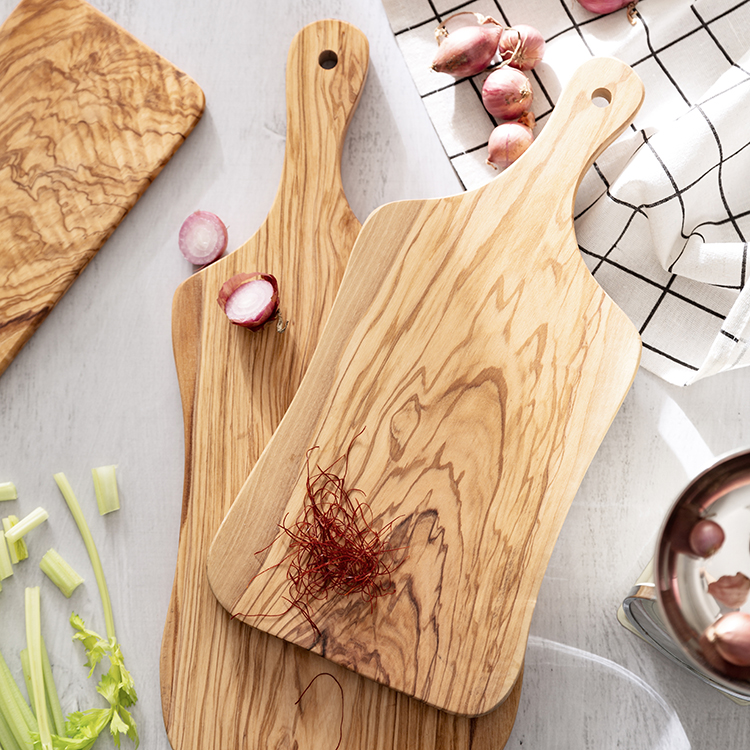
- Wood: Wooden serving boards are classic and versatile. They provide a warm and natural backdrop for presenting a variety of foods, from cheese and charcuterie to appetizers and desserts. Opt for hardwoods like acacia, beech, or maple for durability and longevity.
- Bamboo: Bamboo serving boards are eco-friendly and lightweight. They offer similar characteristics to wood but with the added benefit of being sustainable.
- Marble or Granite: Marble or granite serving boards provide an elegant and sophisticated look. They offer a cool surface for serving cheese, fruits, and desserts, and can also be used as decorative accents.
- Slate: Slate serving boards have a contemporary and rustic appeal. They offer a sleek surface for presenting cheese, cured meats, and hors d'oeuvres, and can be written on with chalk for labeling.
-
Size:
- Consider the types of food you plan to serve and the number of guests you typically entertain when choosing the size of your serving board.
- A small serving board is suitable for intimate gatherings or serving individual portions. A larger board provides more space for arranging multiple foods or serving larger quantities.
- Make sure the serving board fits comfortably on your table or serving area without overcrowding other dishes.
-
Shape:
- Serving boards come in various shapes, including round, rectangular, square, and irregular shapes.
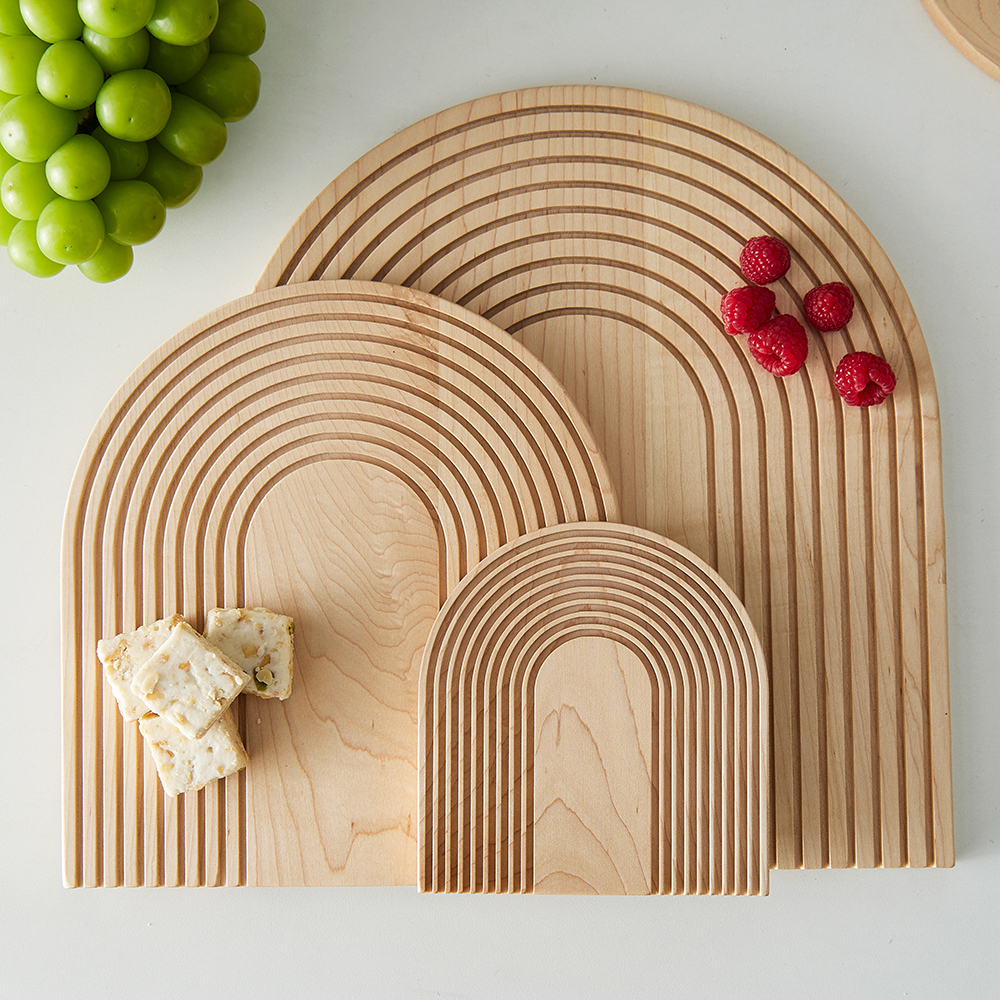
- Round boards offer a classic and elegant option, suitable for presenting cheese and charcuterie or desserts like cakes and tarts. They provide a visually appealing presentation and are easy to handle.
- Rectangular or square boards are versatile and can accommodate a variety of foods, from sliced baguettes and crackers to arranged cheeses and meats. They also offer more space for arranging different food items.
- Irregular or organic-shaped boards add a unique and artisanal touch to your presentation, showcasing the natural beauty of the material while creating visual interest.
-
Style:
- Consider your personal style and the overall aesthetic of your dining or entertaining space when choosing a serving board.
- Opt for a serving board that complements your existing tableware, serveware, and home decor. Choose a style that reflects your personality and enhances the ambiance of your gatherings.
- Some serving boards come with additional features such as handles, built-in compartments, or decorative accents. Consider these features based on your preferences and the types of foods you plan to serve.
-
Functionality:
- Consider how you plan to use the serving board and whether it meets your functional needs.
- Look for serving boards with a smooth and flat surface for easy arranging, slicing, and serving of food.
- Choose boards with raised edges or rims to prevent food items from sliding off the board during transportation or serving.
- Consider the ease of cleaning and maintenance of the serving board material to ensure longevity and optimal performance.
By considering these factors, you can choose a serving board that suits your preferences, fits your serving needs, and enhances your dining or entertaining experience.






How to choose a lazy susan
How to choose a butcher board
Related Article

Learn how to choose the right wooden Lazy Susan size based on table diameter, seating capacity, serving needs, and available space. A practical guide for homeware brands and buyers.
How to Choose the Right Wooden Lazy Susan Size for Your Table

Learn how wooden cutting boards are made from a professional cutting board factory. Discover the complete manufacturing process, materials, customization options, and quality control steps.
How Are Wooden Cutting Boards Made? Complete Manufacturing Process from Wood Selection to Production

