
Introduction to Bamboo or Wood Kitchen Utensils


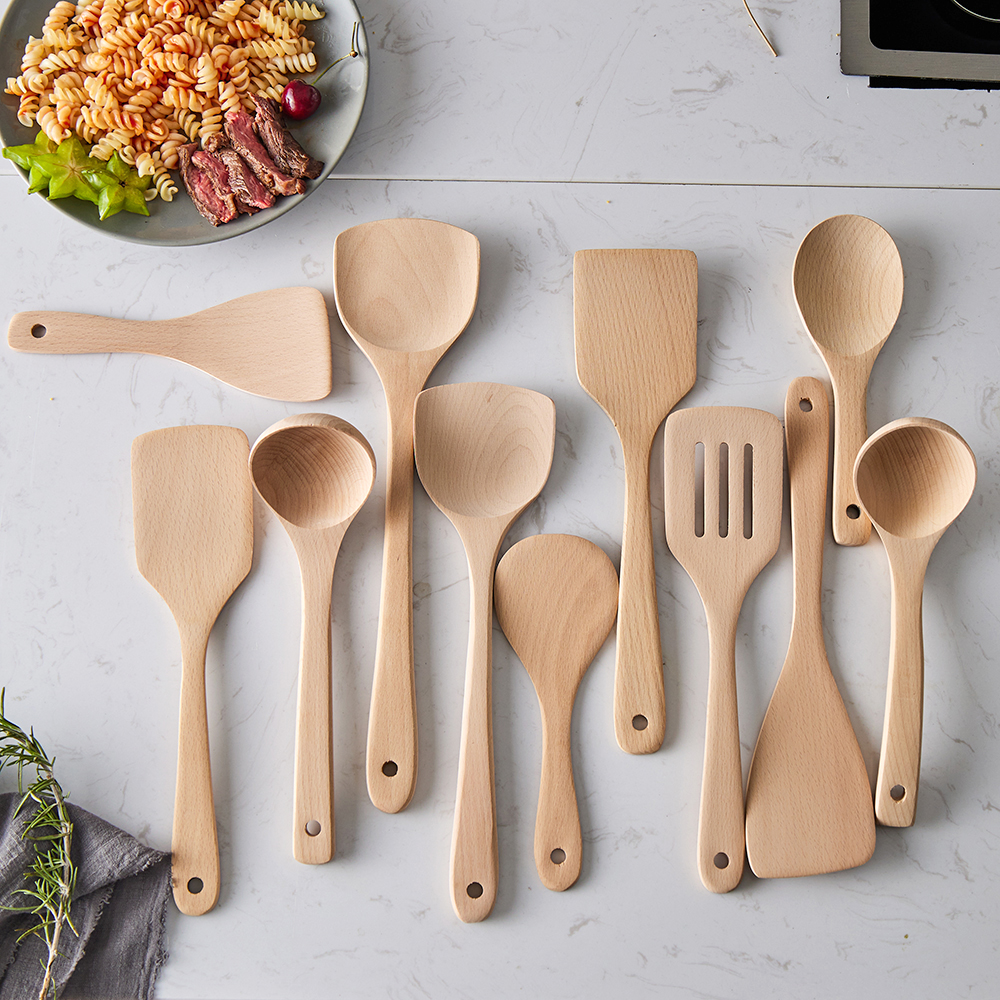
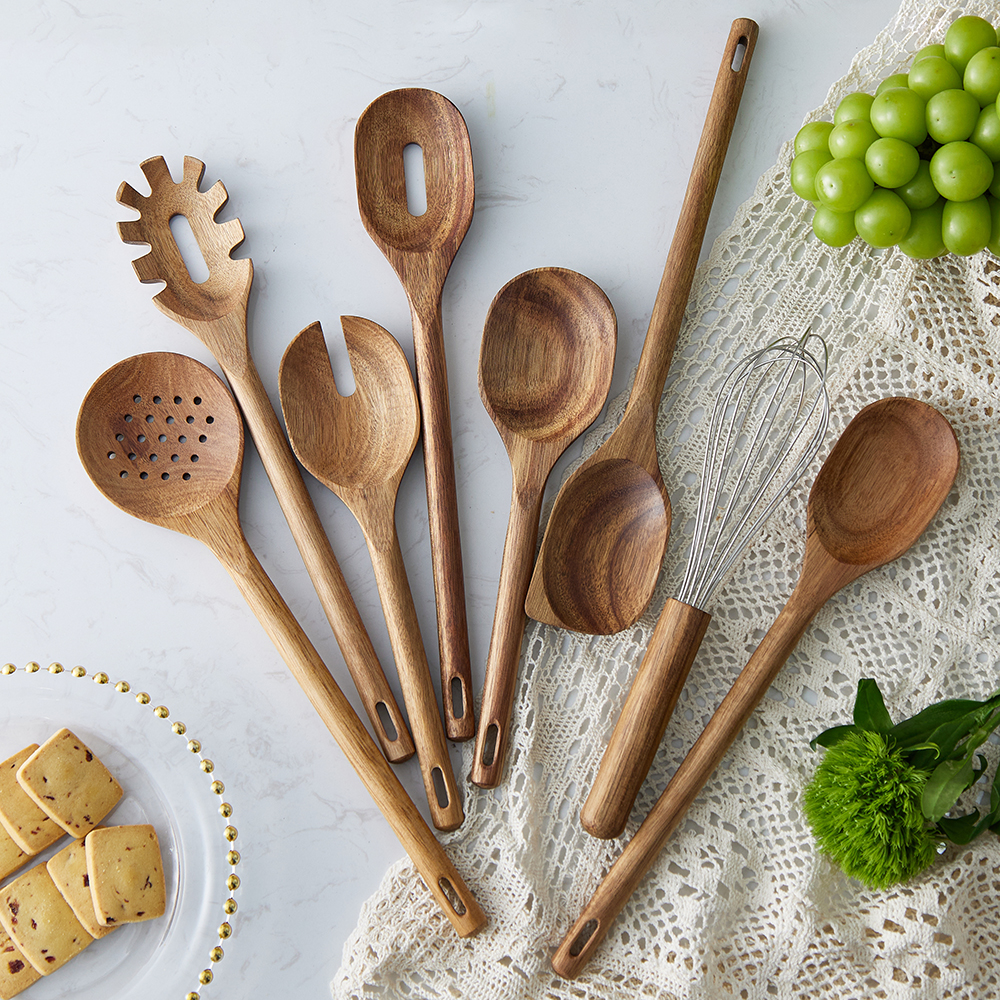


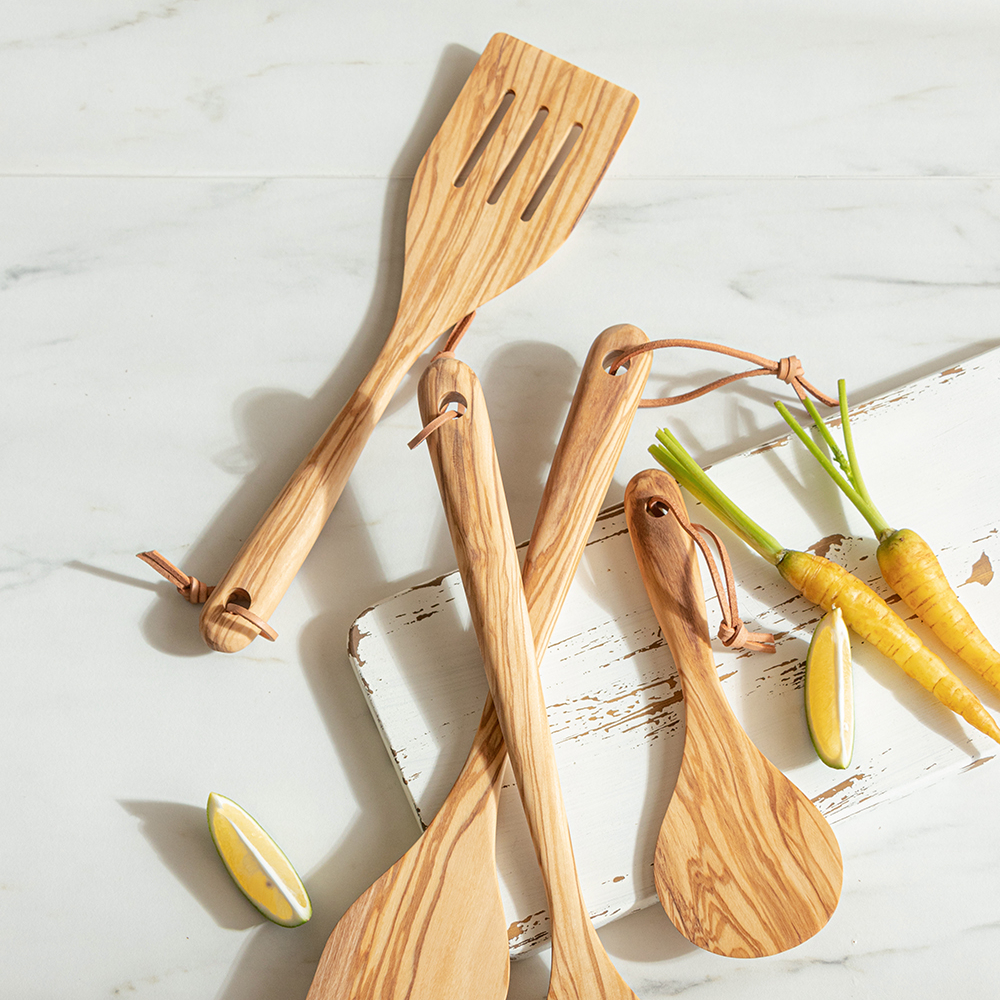


Bamboo and wood kitchen utensils are essential tools for many home cooks and professional chefs, favored for their natural aesthetic, functionality, and environmental benefits. These utensils can range from spoons and spatulas to tongs and cutting boards, each serving a specific purpose in the kitchen. Here’s an introduction to bamboo and wood kitchen utensils:
Bamboo Kitchen Utensils
- Eco-Friendly: Bamboo is one of the most sustainable materials used in the production of kitchen utensils due to its rapid growth rate and ability to regenerate without the need for replanting. This makes bamboo utensils a popular choice for those looking to reduce their environmental impact.
- Antibacterial Properties: Bamboo has natural antibacterial and antifungal properties, which can help prevent the growth of bacteria and mold. This makes it a hygienic choice for kitchen tools.
- Lightweight and Strong: Despite being lightweight, bamboo utensils are remarkably sturdy and resistant to bending or breaking. They're also gentle on cookware, reducing the risk of scratching pots and pans.
- Maintenance: Bamboo utensils are easy to clean but should not be left soaking in water or washed in the dishwasher, as excessive moisture can cause them to warp or crack. Regular oiling can help maintain their condition and extend their lifespan.
Wood Kitchen Utensils
- Durability and Aesthetics: Wood utensils are durable and can last for many years with proper care. They come in a variety of wood types, such as maple, olive, or walnut, each adding its own unique grain and color to the kitchen.
- Heat Resistance: Wood utensils do not conduct heat as metal utensils do, making them excellent for stirring hot dishes without the risk of burning one's hands. They're also non-reactive, so they won't alter the taste of acidic foods.
- Safe for Non-Stick Surfaces: Like bamboo, wood utensils are gentle on all types of cookware surfaces, including non-stick coatings, reducing the likelihood of scratches.
- Care: Wood utensils require a bit more care than bamboo. They should be hand-washed with mild soap and water and thoroughly dried after each use. Periodic oiling with a food-safe mineral oil can help preserve their finish and prevent cracking.
Choosing Between Bamboo and Wood
The choice between bamboo and wood kitchen utensils often comes down to personal preference and environmental considerations. Both materials offer distinct advantages in terms of sustainability, aesthetics, and functionality. Bamboo is ideal for those seeking lightweight, eco-friendly options with natural antibacterial properties, while wood utensils are valued for their durability, rich aesthetics, and the warm, natural feel they bring to cooking.
Regardless of the choice, both bamboo and wood utensils can be a wonderful addition to any kitchen, providing a touch of natural beauty and practicality to the culinary experience.
Introduction to Bamboo or Wood Kitchen Drawer Organizer
Introduction to Bamboo or Wood Serving Tray
Related Article



