
What is the best wood for serving platters
2024-07-16
When selecting wood for serving platters, the key considerations are durability, safety, aesthetics, and ease of maintenance. Here are some of the best types of wood commonly used for serving platters:
1. Maple
Maple is a popular choice due to its hardness and fine grain. It is durable, resistant to knife marks, and has a light color that looks elegant in any setting. Maple is also less likely to impart any flavors to the food.
Maple is a popular choice due to its hardness and fine grain. It is durable, resistant to knife marks, and has a light color that looks elegant in any setting. Maple is also less likely to impart any flavors to the food.

2. Walnut
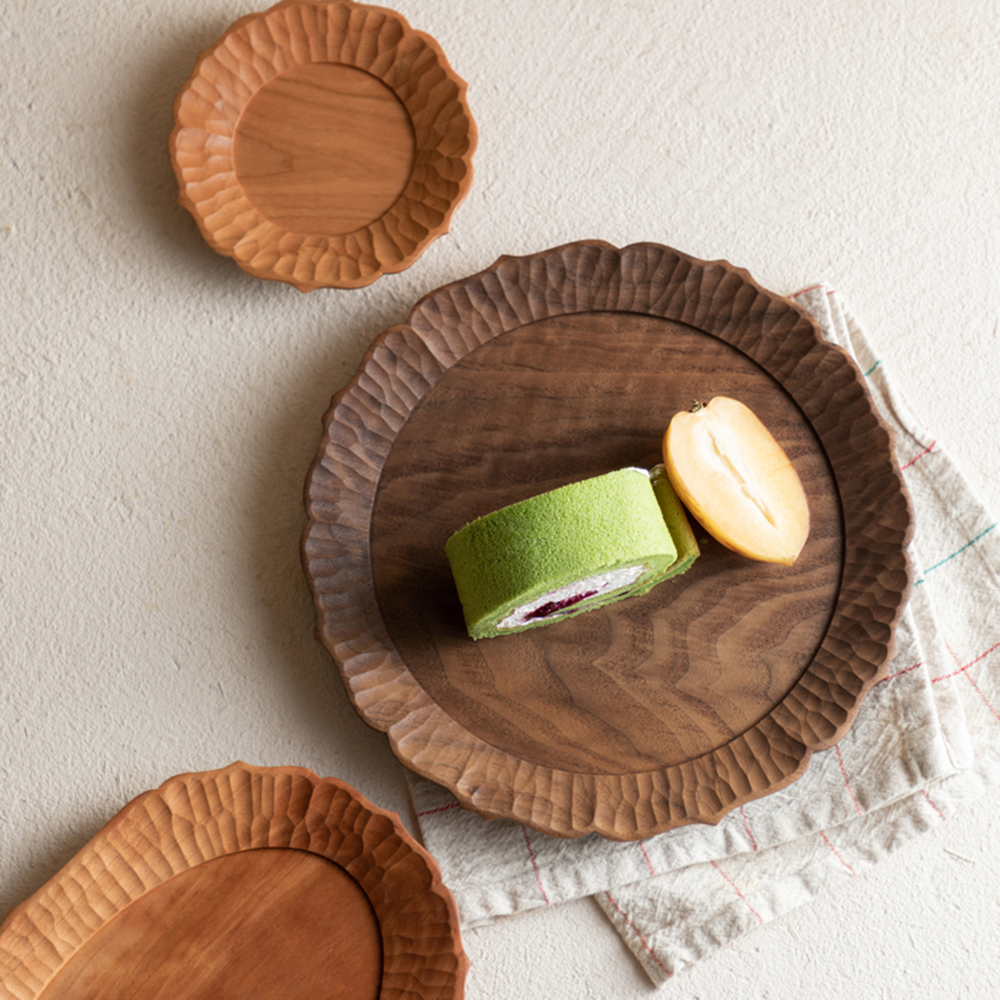
Walnut is prized for its rich, dark color and smooth grain. It is a bit softer than maple but still durable. Its aesthetic appeal makes it a favorite for high-end serving platters.
Walnut is prized for its rich, dark color and smooth grain. It is a bit softer than maple but still durable. Its aesthetic appeal makes it a favorite for high-end serving platters.


3. Cherry
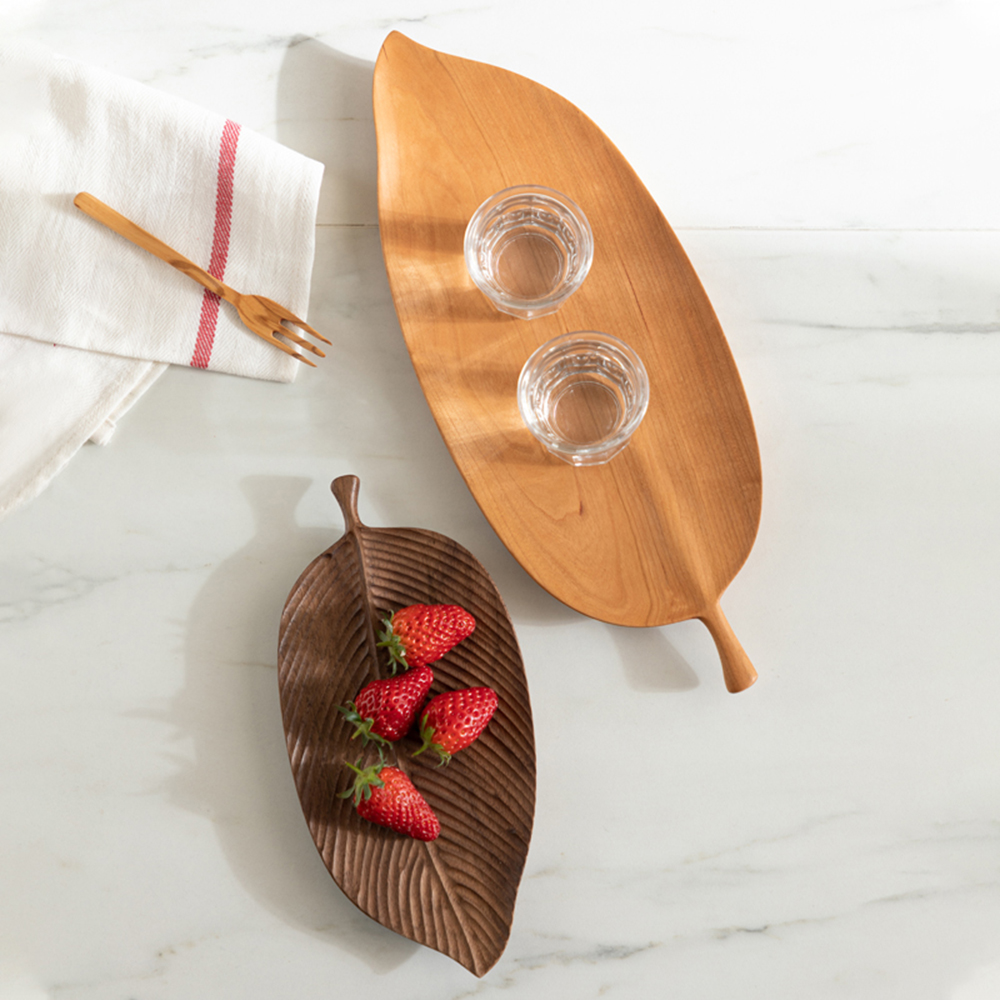
Cherry wood is known for its beautiful reddish-brown hue that darkens with age. It is moderately hard, making it durable and less prone to cracking. Cherry wood's fine grain adds a touch of elegance to serving platters.
Cherry wood is known for its beautiful reddish-brown hue that darkens with age. It is moderately hard, making it durable and less prone to cracking. Cherry wood's fine grain adds a touch of elegance to serving platters.
4. Acacia
Acacia is a hardwood that is both durable and attractive, with a distinctive grain pattern. It is resistant to water, making it suitable for serving moist foods. Its warm, honey-colored appearance is quite appealing.
Acacia is a hardwood that is both durable and attractive, with a distinctive grain pattern. It is resistant to water, making it suitable for serving moist foods. Its warm, honey-colored appearance is quite appealing.


5. Bamboo
Though technically a grass, bamboo is a popular choice due to its sustainability, hardness, and resistance to moisture. It has a light, uniform color and is an eco-friendly option.
Though technically a grass, bamboo is a popular choice due to its sustainability, hardness, and resistance to moisture. It has a light, uniform color and is an eco-friendly option.


6. Olive Wood
Olive wood is known for its striking grain patterns and rich color variations. It is hard and dense, making it highly durable. Olive wood is also naturally antibacterial, adding an extra layer of safety for food use.
Olive wood is known for its striking grain patterns and rich color variations. It is hard and dense, making it highly durable. Olive wood is also naturally antibacterial, adding an extra layer of safety for food use.


7. Teak
Teak is a highly durable wood with natural oils that make it resistant to water and insects. Its golden-brown color and straight grain make it a visually appealing choice for serving platters.
Teak is a highly durable wood with natural oils that make it resistant to water and insects. Its golden-brown color and straight grain make it a visually appealing choice for serving platters.
Each of these woods has its unique qualities, and the best choice often depends on personal preference regarding appearance and specific use requirements.
How do you use a wood pepper grinder
Elegant Cheese Board Designs to Impress Your Guests
Related Article

Learn how to choose the right wooden Lazy Susan size based on table diameter, seating capacity, serving needs, and available space. A practical guide for homeware brands and buyers.
How to Choose the Right Wooden Lazy Susan Size for Your Table

Learn how wooden cutting boards are made from a professional cutting board factory. Discover the complete manufacturing process, materials, customization options, and quality control steps.
How Are Wooden Cutting Boards Made? Complete Manufacturing Process from Wood Selection to Production

