How to Clean Wood Kitchenware: The Complete Guide to Cleaning, Maintaining, and Extending Its Lifespan | Natural House

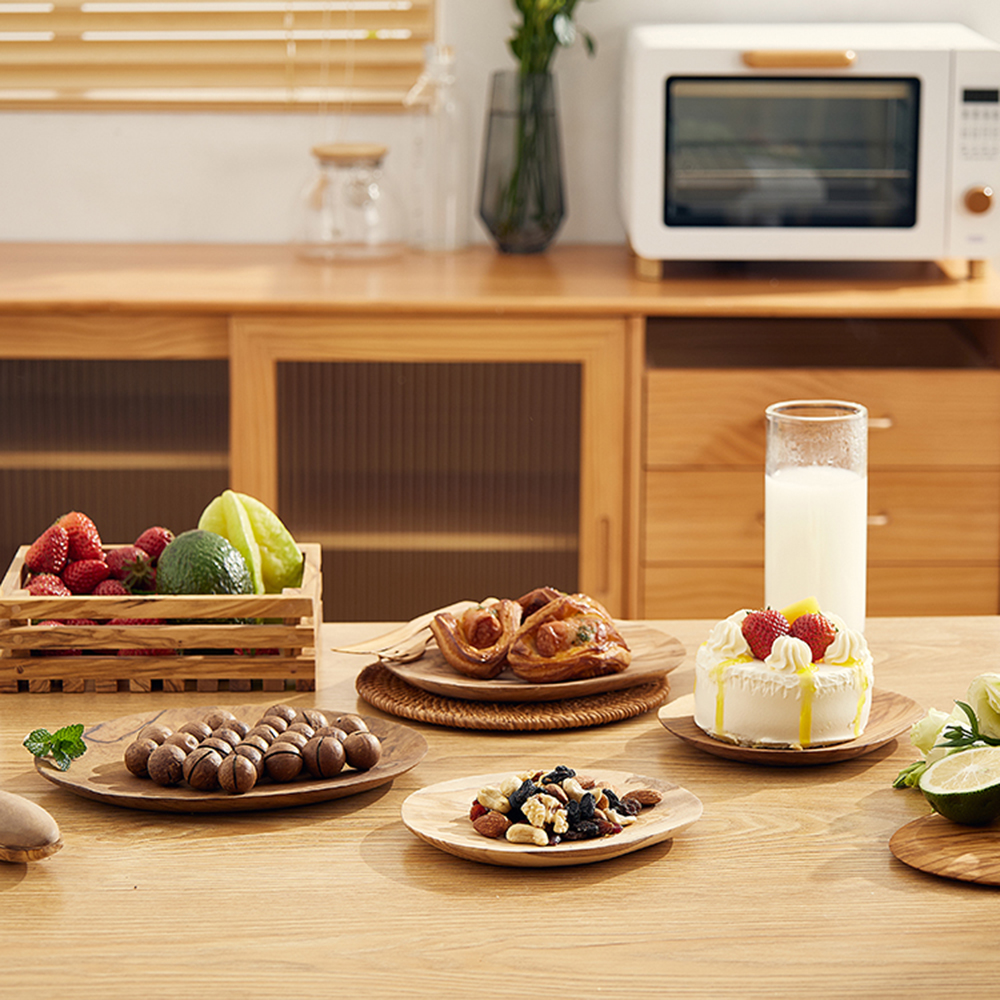
Wooden kitchenware has become a popular choice for modern kitchens because it is natural, durable, and environmentally friendly. From wooden spoons and spatulas to cutting boards, salad bowls, and serving trays, wood products bring warmth and elegance to cooking and dining.
However, many people ask the same question:
How do you clean wood kitchenware without damaging it?
The answer is simple: clean it properly, dry it completely, and maintain it regularly.
In this guide, you'll learn the safest cleaning methods, common mistakes to avoid, and professional maintenance tips that help keep wooden kitchenware beautiful for years.
What Is Wood Kitchenware?
Wood kitchenware refers to cooking and serving utensils made from natural hardwood or bamboo. Common products include:
-
Wooden spoons
-
Wooden spatulas
-
Cutting boards
-
Salad bowls
-
Serving trays
-
Rolling pins
-
Cooking chopsticks
Compared with plastic products, wooden kitchenware is biodegradable, naturally attractive, and gentle on cookware surfaces.
However, because wood is a natural material, it needs proper care to prevent cracking, warping, or mold.
Why Is Proper Cleaning Important?
Unlike stainless steel or silicone, wood contains tiny natural pores that absorb moisture and food residue.
If wooden utensils are cleaned incorrectly, they may:
-
Develop unpleasant odors
-
Absorb bacteria
-
Crack due to excessive drying
-
Warp after soaking in water
-
Lose their smooth finish
Regular cleaning and maintenance help extend the product's lifespan while keeping it safe for food preparation.
How to Clean Wood Kitchenware Step by Step

For frequently used kitchenware, oiling once every 3–4 weeks is recommended.
Common Mistakes When Cleaning Wood Kitchenware
Many wooden products become damaged because of improper care rather than poor quality.
Avoid these common mistakes:
Putting Wooden Kitchenware in the Dishwasher
Dishwashers combine high heat, steam, and long washing cycles, which may cause wood to crack or warp.
Soaking in Water
Never soak wooden bowls or cutting boards for extended periods.
Too much moisture weakens the wood fibers.
Using Bleach or Strong Chemicals
Harsh cleaners remove the wood's natural oils and may leave harmful residues on food-contact surfaces.
Storing While Damp
Always ensure wooden products are completely dry before placing them in cabinets.
Natural Ways to Remove Stains and Odors
Sometimes wooden kitchenware absorbs odors from garlic, onions, seafood, or spices.
Here are several natural cleaning methods.
Baking Soda
Mix baking soda with water to form a paste.
Rub gently over stained areas before rinsing.
Lemon
Rub half a lemon over the surface to naturally remove odors and refresh the wood.
White Vinegar
A diluted vinegar solution can help disinfect occasionally, but frequent use is not recommended because acidity may dry out the wood.
How Often Should You Oil Wooden Kitchenware?
The ideal maintenance schedule depends on how frequently the products are used

If the wood begins to look dull or feels rough, it's time to apply another coat of food-grade mineral oil.
How to Choose High-Quality Wood Kitchenware

Frequently Asked Questions
Can I wash wooden kitchenware with soap?
Yes. Mild dish soap is perfectly safe when followed by immediate drying.
Can wooden kitchenware go in the dishwasher?
No. High temperatures and prolonged moisture can damage the wood.
Why does my wooden spoon smell?
Odors usually result from trapped moisture or food residue. Cleaning promptly and drying thoroughly usually solves the problem.
What oil is best for wooden kitchenware?
Food-grade mineral oil is the most commonly recommended option because it is safe, stable, and easy to apply.
How long does wooden kitchenware last?
With proper care and regular maintenance, quality wooden kitchenware can last for many years.
Why Professional Manufacturing Matters
The lifespan of wooden kitchenware depends not only on maintenance but also on manufacturing quality.
Professional manufacturers carefully select hardwood materials, control moisture content, polish every surface, and apply food-safe finishes that improve durability and appearance.
For kitchenware brands, wholesalers, and retailers, choosing an experienced OEM or ODM manufacturer ensures consistent product quality, customization options, and reliable production for international markets.
Final Thoughts
Knowing how to clean wood kitchenware properly is essential for maintaining both hygiene and durability.
Simple habits—such as hand washing, drying immediately, and applying food-grade mineral oil regularly—can significantly extend the life of wooden utensils.
Whether you're a home cook or sourcing wooden kitchenware for your business, proper care starts with choosing well-made products and following the right maintenance practices.
How to Choose the Best Wood for Custom Homeware Products: A Complete Guide for Global Buyers
Bamboo Material for Kitchen Utensils & Cutting Boards: Properties, Benefits & Comparisons 2026 | Natural House Guide
Related Article



For companies sourcing wooden home products, working with an experienced wooden homeware manufacturer can help select the most suitable materials based on product requirements and target customers.
This guide explains the characteristics of popular wood materials and how buyers can choose the best option for their custom wooden products.