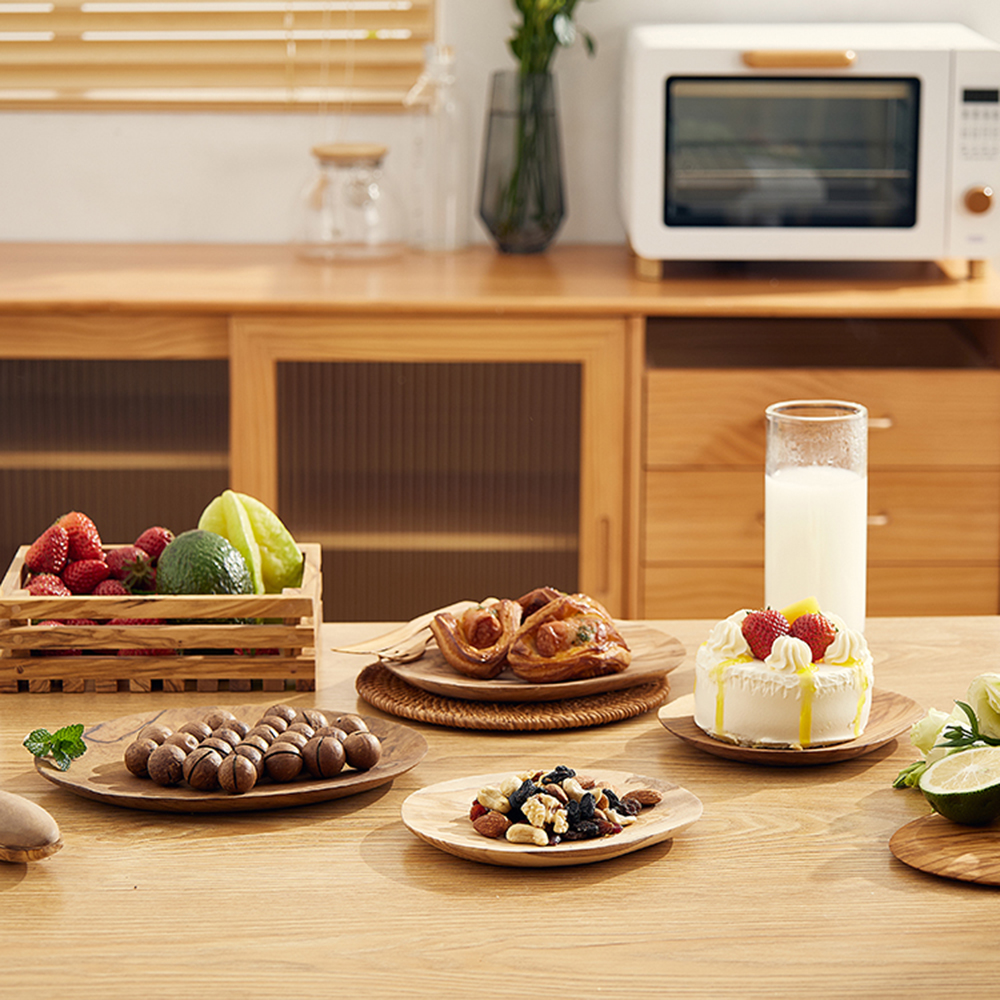
How to Choose the Best Wood for Custom Homeware Products: A Complete Guide for Global Buyers
Why Wood Selection Matters for Custom Homeware Products
Different wood materials have different:
- Colors and grain patterns
- Hardness and durability
- Processing characteristics
- Price levels
- Sustainability features
For example:
A premium lifestyle brand may prefer unique natural grain patterns, while a large retailer may focus on stable supply and competitive pricing.
Choosing the wrong material can lead to:
- Product cracking
- Color inconsistency
- Higher production costs
- Customer complaints
Therefore, material selection should be considered during the early product development stage.
Popular Wood Materials for Homeware Products
1. Acacia Wood: Popular Choice for Premium Kitchenware
Acacia wood is one of the most commonly used materials for wooden home products.
It is popular because of:
Natural Appearance
Acacia wood features beautiful grain patterns and warm colors, making each product unique.
Good Durability
Its hardness makes it suitable for:
- Cutting boards
- Serving trays
- Bowls
- Kitchen accessories
Premium Market Position
Many brands choose acacia wood for products targeting customers who prefer natural and high-quality home lifestyles.
Best applications:
- Wooden cutting boards
- Serving boards
- Dining accessories
- Decorative home products
2. Ash Wood: Clean Appearance for Modern Home Design
Ash wood has a lighter color and straight grain structure.
It is suitable for brands focusing on:
- Minimalist design
- Modern home styles
- Scandinavian-inspired products
Advantages:
- Smooth texture
- Elegant appearance
- Easy processing
Common applications:
- Storage boxes
- Kitchen organizers
- Household accessories
3. Rubber Wood: Practical Choice for Large Production
Rubber wood is widely used in commercial wooden products because of its stable supply and cost efficiency.
Advantages include:
- Consistent quality
- Good processing performance
- Competitive pricing
It is often selected for:
- Wholesale products
- Large retail collections
- Functional household items
For buyers requiring higher production volumes, rubber wood can be a practical option.
4. Bamboo: Sustainable Alternative Material
Although technically a grass rather than wood, bamboo is widely used in eco-friendly home products.
Benefits:
- Fast renewable resource
- Lightweight
- Natural appearance
Common products:
- Kitchen utensils
- Storage products
- Household accessories
Bamboo is especially attractive for brands promoting sustainable lifestyles.
How to Choose the Right Wood Material for Your Product
1. Consider Product Usage
Different products require different material characteristics.
For example:
Kitchen products:
- Need durability
- Require food-safe finishing
- Need moisture resistance
Decorative products:
- Focus more on appearance and design
Gift products:
- Need attractive grain and customization options
2. Consider Your Target Market
Your customer positioning influences material selection.
Premium Brands
May prefer:
- Acacia wood
- Olive wood
- Walnut
because of unique appearance.
Mass Retail Brands
May prefer:
- Rubber wood
- Bamboo
because of cost efficiency.
3. Consider Customization Requirements
For private label products, buyers should evaluate:
- Laser engraving quality
- Logo visibility
- Surface finishing
- Packaging requirements
Some wood types provide better results for customized branding.
4. Work With an Experienced Wooden Product Supplier
A professional supplier can provide recommendations based on:
- Product design
- Market requirements
- Production quantity
- Budget
Experienced manufacturers understand how different materials perform during production and can help avoid unnecessary development costs.
Sustainable Wood Sourcing: What Buyers Should Know
More consumers are choosing environmentally responsible products.
When sourcing wooden homeware, brands should consider:
- Responsible material sourcing
- Production waste management
- Eco-friendly finishing methods
- Sustainable packaging solutions
Choosing a supplier with experience in sustainable wooden products helps brands meet increasing consumer expectations.
Why Choose NHTY for Custom Wooden Home Products?
NHTY specializes in natural wooden homeware solutions, helping global customers develop customized products for different markets.
With experience in wooden product manufacturing, NHTY supports:
- Custom product development
- OEM and private label projects
- Material selection guidance
- Customized packaging solutions
From material selection to final production, NHTY works with customers to create wooden products that match their brand positioning.
Frequently Asked Questions
What is the best wood for kitchen products?
Acacia wood, bamboo, ash wood, and rubber wood are commonly used for kitchen products. The best choice depends on design, durability requirements, and target market.
Is acacia wood better than bamboo?
Acacia wood usually provides a more premium appearance and stronger durability, while bamboo is lightweight and often selected for sustainability-focused products.
Can manufacturers customize wooden products with logos?
Yes. Professional wooden product suppliers usually offer engraving, customized designs, and private label packaging.
How do I choose a reliable wooden homeware supplier?
Consider:
- Manufacturing experience
- Material knowledge
- Quality control
- Customization capability
- Export experience
Conclusion
Choosing the right wood material is the foundation of successful custom homeware product development.
Whether you are creating premium kitchen collections, sustainable lifestyle products, or private label home goods, selecting the right material can improve product quality and customer satisfaction.
By working with an experienced custom wooden homeware supplier, brands can develop unique products that match their market needs.
Acacia Wood vs Bamboo: Which Material Is Better for Wooden Kitchenware?
How to Clean Wood Kitchenware: The Complete Guide to Cleaning, Maintaining, and Extending Its Lifespan | Natural House
Related Article