
1-Olive Wood
2022-11-08

1- Olive Wood
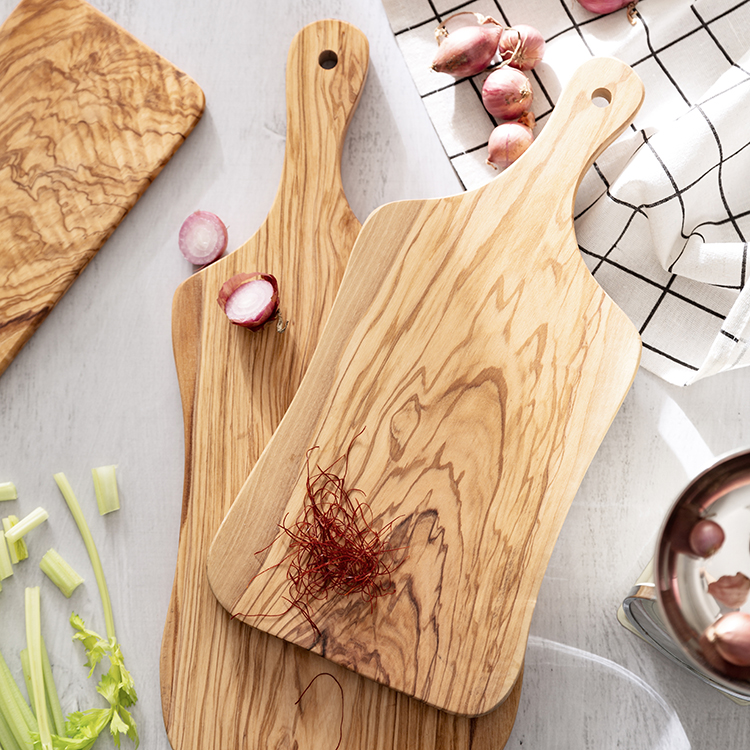
The olive wood, farmed form the trees of Olea europaea, is a hard and rich in color wood that is prized all around the world for its appearance, density, straight grain and fine texture. Originally found around the eastern coast of Mediterranean, Olive trees managed to spread outside of Europe, thanks not on the need for wood exploitation, but for the growth of its delicious olive fruit that demands very little upkeep and attention during seasonal growth. The most recent reports claim that olive tree is currently being commercially farmed for its fruit in over 20 countries, with 60% of all trees being located on the territory of European Union (with five leading countries being Spain, Italy, Turkey, Greece, and Syria).
Olive lumber is very strong, but it has a high sensitivity to outside elements and insect attacks. Because of this, it can most commonly be found only in indoor furniture and smaller wooden objects. Visually, olive wood is famous all around the world for its consistent texture, grain and a very distinct and fruity scent when being worked.
Since it has lower durability and resistance to elements and is not therefore used for mass production of flooring, paneling and structural construction, and has spread around the world where it is planted anywhere where it can grow in hot and dry environments, olive wood is currently not strongly exploited for lumber on the worldwide market.
This helped it to remain unlisted on the IUCN Red List of Threatened Species.
Olive wood is versatile and easy to work with, but even though it is hard and strong, it is not used for outdoors applications since it lacks the ability to survive in the open for long. It is very rarely available for purchase in lumber form factor.
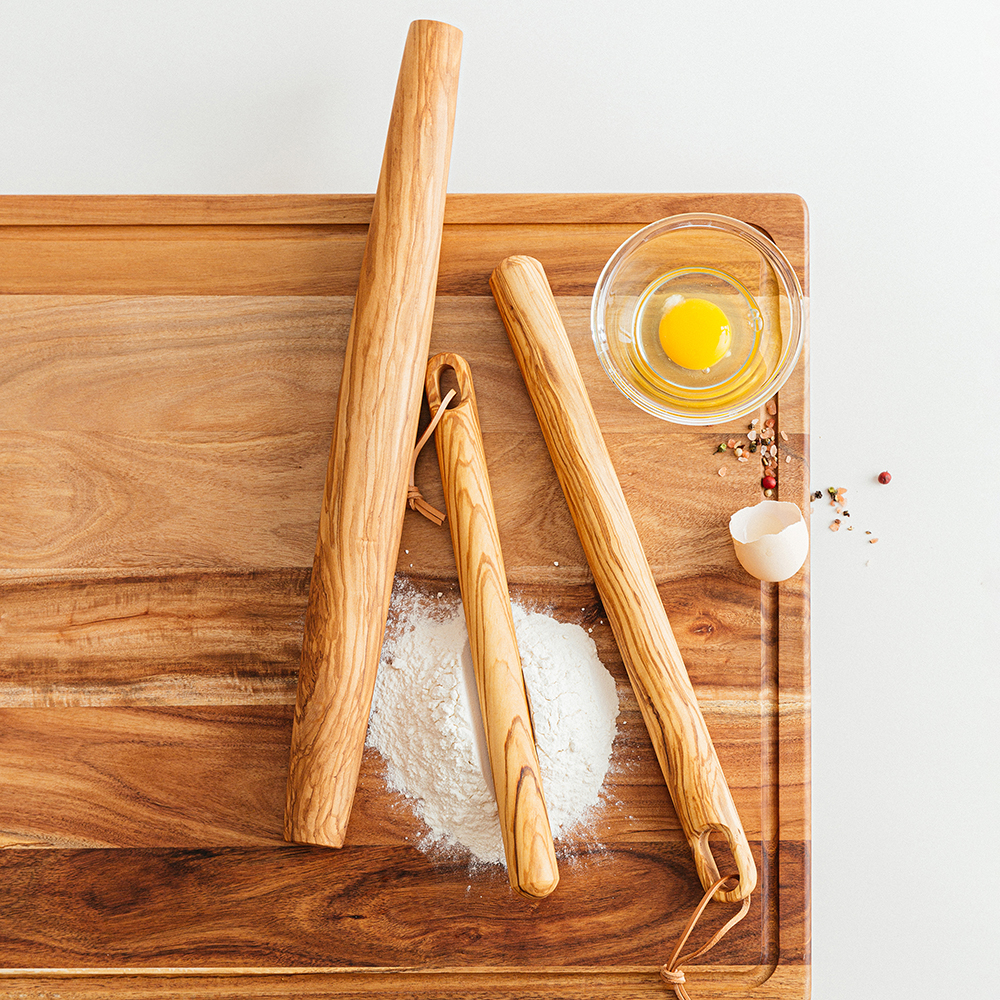
However, it is excellent for indoor use, and therefore it can easily be found in these kinds of objects:
· Indoor furniture (especially high-end)
· Turned objects
· Veneer
· Various small specialty wood items
· High-end knife or tool handles
· Art objects
· Small decorative items
· Carvings
· Flooring and paneling (in rare cases)




2-Black Walnut Wood
Introduction to Bamboo Timber and Products
Related Article

Compare acacia, beech, rubber wood, and bamboo for serving trays. Learn how to choose the right material for your brand, wholesale orders, and custom OEM projects.
What Wood Is Best for Serving Trays? A Guide to Acacia, Beech, Rubber Wood and Bamboo

Compare acacia wood and bamboo for wooden kitchenware. Learn their differences in durability, appearance, sustainability, and sourcing options for your brand.
Acacia Wood vs Bamboo: Which Material Is Better for Wooden Kitchenware?

The type of wood affects not only the appearance of the final product but also its durability, cost, sustainability, and market positioning.
For companies sourcing wooden home products, working with an experienced wooden homeware manufacturer can help select the most suitable materials based on product requirements and target customers.
This guide explains the characteristics of popular wood materials and how buyers can choose the best option for their custom wooden products.
For companies sourcing wooden home products, working with an experienced wooden homeware manufacturer can help select the most suitable materials based on product requirements and target customers.
This guide explains the characteristics of popular wood materials and how buyers can choose the best option for their custom wooden products.
How to Choose the Best Wood for Custom Homeware Products: A Complete Guide for Global Buyers
