
2-Black Walnut Wood
2022-11-29
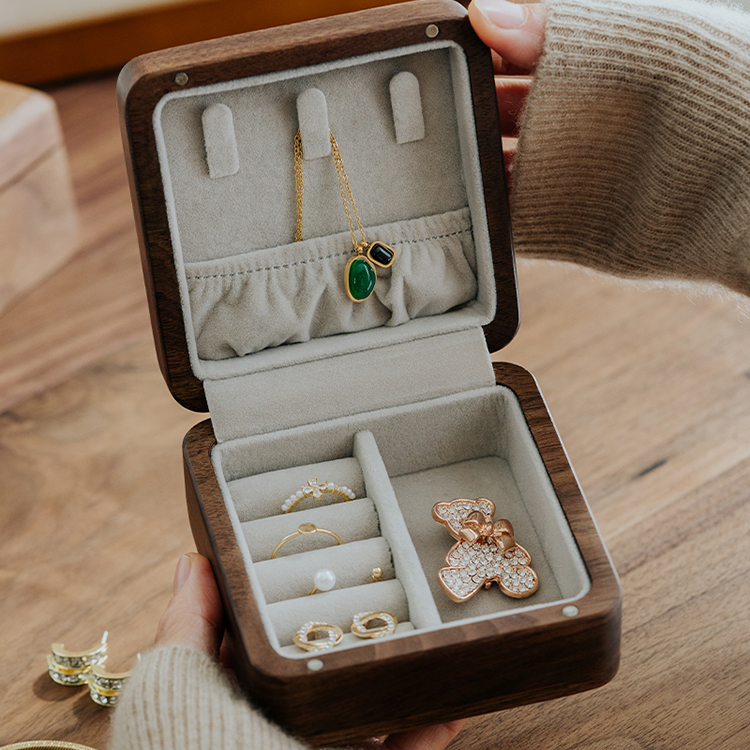
Black walnut wood is dark, hard, dense and tight-grained. It's prized by woodworkers for its strength, grain and color. It polishes to a very smooth finish, and the color ranges from creamy white in the sapwood to a dark chocolate in the heartwood.
Over the years, natural walnut wood develops a lustrous patina. As the only dark-brown domestic wood species, it has a large following of devoted woodworkers and fine furniture aficionados. Walnut is also found in upscale cabinets, natural wood flooring, kitchen accessories, gunstocks, and more.

What Color is Walnut Wood?
Most people are familiar with walnut wood in its darkest state, which can be a deep chocolate or coffee color. In fact, it’s the only dark wood native to North America. However, it’s actually only the center of the tree which bears the deep hues. This is called the heartwood, and it may also have lighter browns, purples, grays, or reddish tints. The outermost portion of the tree– known as the sapwood because it carries the tree’s nutrients– is typically a pale blonde color, though it can also be yellow-gray as well.
Unlike cherry, maple, and oak (which all darken in color as they age), walnut wood will actually lighten slightly over time. This aging process isn’t as dramatic of a change as some other woods we offer, and it can be stayed somewhat with an oil finish, which saturates the grain and adds a slight honey tint that comes out in greater detail as the piece ages and more oil is applied.
Why Does Walnut Wood Change Colors Over Time?
Many things can change the natural color of walnut wood. For example, the elements will often darken light wood and lighten dark wood, so sun exposure over a period of years will typically cause walnut wood furniture to lighten.
While some will use stain on walnut wood, which will make it maintain the darker hue indefinitely, it is typically clear-coated or oiled. A clear coat doesn’t stop the color change altogether, but it can minimize it if maintenance is performed regularly. On the other hand, an oil-finished piece needs to be oiled regularly, which will give it richer hues over time.
Some wood producers will also use steam in their drying process to try to even out the coloring between the heartwood and sapwood as well. This often brings out more grays in the piece, so it’s a practice our craftsmen like to avoid when selecting their lumber.
What are the Common Uses of Walnut Wood?
Walnut wood is commonly used in knickknacks, carvings, and gunstocks, as well as for cabinets, flooring, furniture, and wood veneers.
Over the years, natural walnut wood develops a lustrous patina. As the only dark-brown domestic wood species, it has a large following of devoted woodworkers and fine furniture aficionados. Walnut is also found in upscale cabinets, natural wood flooring, kitchen accessories, gunstocks, and more.
What Color is Walnut Wood?
Most people are familiar with walnut wood in its darkest state, which can be a deep chocolate or coffee color. In fact, it’s the only dark wood native to North America. However, it’s actually only the center of the tree which bears the deep hues. This is called the heartwood, and it may also have lighter browns, purples, grays, or reddish tints. The outermost portion of the tree– known as the sapwood because it carries the tree’s nutrients– is typically a pale blonde color, though it can also be yellow-gray as well.
Unlike cherry, maple, and oak (which all darken in color as they age), walnut wood will actually lighten slightly over time. This aging process isn’t as dramatic of a change as some other woods we offer, and it can be stayed somewhat with an oil finish, which saturates the grain and adds a slight honey tint that comes out in greater detail as the piece ages and more oil is applied.
Why Does Walnut Wood Change Colors Over Time?
Many things can change the natural color of walnut wood. For example, the elements will often darken light wood and lighten dark wood, so sun exposure over a period of years will typically cause walnut wood furniture to lighten.
While some will use stain on walnut wood, which will make it maintain the darker hue indefinitely, it is typically clear-coated or oiled. A clear coat doesn’t stop the color change altogether, but it can minimize it if maintenance is performed regularly. On the other hand, an oil-finished piece needs to be oiled regularly, which will give it richer hues over time.
Some wood producers will also use steam in their drying process to try to even out the coloring between the heartwood and sapwood as well. This often brings out more grays in the piece, so it’s a practice our craftsmen like to avoid when selecting their lumber.
What are the Common Uses of Walnut Wood?
Walnut wood is commonly used in knickknacks, carvings, and gunstocks, as well as for cabinets, flooring, furniture, and wood veneers.



3-Maple Wood
1-Olive Wood
Related Article

Compare acacia, beech, rubber wood, and bamboo for serving trays. Learn how to choose the right material for your brand, wholesale orders, and custom OEM projects.
What Wood Is Best for Serving Trays? A Guide to Acacia, Beech, Rubber Wood and Bamboo

Compare acacia wood and bamboo for wooden kitchenware. Learn their differences in durability, appearance, sustainability, and sourcing options for your brand.
Acacia Wood vs Bamboo: Which Material Is Better for Wooden Kitchenware?

The type of wood affects not only the appearance of the final product but also its durability, cost, sustainability, and market positioning.
For companies sourcing wooden home products, working with an experienced wooden homeware manufacturer can help select the most suitable materials based on product requirements and target customers.
This guide explains the characteristics of popular wood materials and how buyers can choose the best option for their custom wooden products.
For companies sourcing wooden home products, working with an experienced wooden homeware manufacturer can help select the most suitable materials based on product requirements and target customers.
This guide explains the characteristics of popular wood materials and how buyers can choose the best option for their custom wooden products.
How to Choose the Best Wood for Custom Homeware Products: A Complete Guide for Global Buyers
