
3-Maple Wood
2022-11-29
Frequently Asked Questions About Maple Wood
With so many maple wood products on the market, people are often curious about its many uses and how it compares to other wood types. A few of the most common questions are answered below.
What Color is Maple Wood?
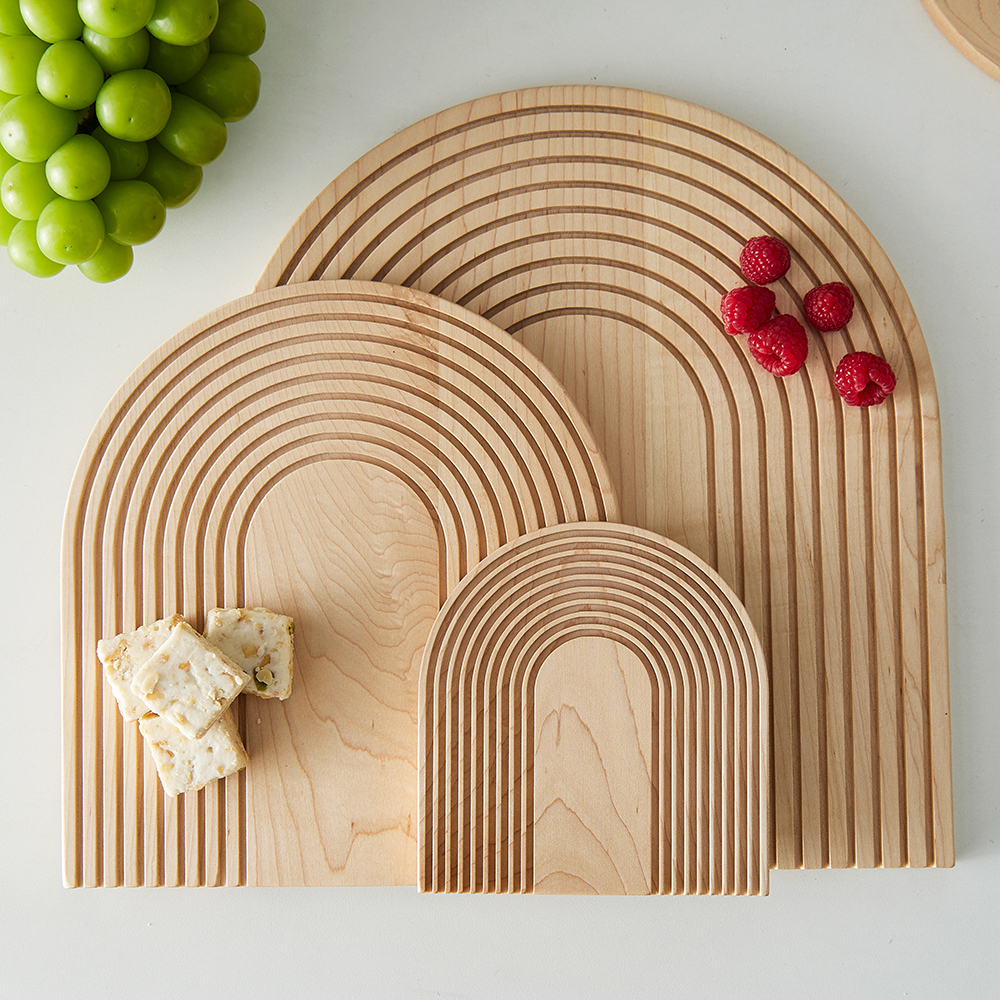
Whereas many trees are prized by woodworkers for their heartwood, it’s usually the sapwood of maple that’s used in fine wood furniture. It tends to be a white hue with pitch fleck and mineral streaks adding some reddish-brown tints to it, though the color will deepen some with age. Stains bring out the mineral streaks more, so you’ll not only see them more often in a stained piece, but they’ll be darker too.
The heartwood, on the other hand, is brownish-red, which can sometimes be quite dark, though will naturally become mellower with age.

Why Does Maple Wood Change Colors Over Time?
Virtually all hardwoods change color as the years go by. Light-colored wood, such as maple, will naturally darken due to exposure to UV light and oxygen. As the years pass, even a white maple piece will develop a honey-gold patina. For this reason, it’s generally best to purchase sets all at once versus building a collection a little at a time, as pieces added later will have a slightly different hue.
What are the Common Uses of Maple Wood?
Maple wood is commonly used in high-end furniture, flooring, cabinetry, and kitchen accessories. Because of its durability and strength, maple can be found used as flooring in bowling alleys and for bowling pins. It was also once a popular choice for wood baseball bats before being largely replaced by Ash, which is equally as strong but more lightweight.
It’s unique color, smooth grain, and strength make maple a popular choice among woodworkers of all types. In its natural state, it can totally brighten a room, yet stained maple looks equally gorgeous and can be dressed up to suit any preferred style. Maple wood also tends to get chosen when durability is a concern because it can take a beating.
What Does the Grain Pattern of Maple Wood Look Like?
Maple wood has a fine, uniform texture with generally straight grain, but variations such as birdseye, tiger, flame, curly, wavy, rippled or fiddleback grain occur and are often selected for specialty custom artisan furniture. When the grain has added character like this, it’s referred to as “figured.” Figured wood usually results from some kind of strain, injury, or disease in the tree as it grows.
With so many maple wood products on the market, people are often curious about its many uses and how it compares to other wood types. A few of the most common questions are answered below.
What Color is Maple Wood?
Whereas many trees are prized by woodworkers for their heartwood, it’s usually the sapwood of maple that’s used in fine wood furniture. It tends to be a white hue with pitch fleck and mineral streaks adding some reddish-brown tints to it, though the color will deepen some with age. Stains bring out the mineral streaks more, so you’ll not only see them more often in a stained piece, but they’ll be darker too.
The heartwood, on the other hand, is brownish-red, which can sometimes be quite dark, though will naturally become mellower with age.
Why Does Maple Wood Change Colors Over Time?
Virtually all hardwoods change color as the years go by. Light-colored wood, such as maple, will naturally darken due to exposure to UV light and oxygen. As the years pass, even a white maple piece will develop a honey-gold patina. For this reason, it’s generally best to purchase sets all at once versus building a collection a little at a time, as pieces added later will have a slightly different hue.
What are the Common Uses of Maple Wood?
Maple wood is commonly used in high-end furniture, flooring, cabinetry, and kitchen accessories. Because of its durability and strength, maple can be found used as flooring in bowling alleys and for bowling pins. It was also once a popular choice for wood baseball bats before being largely replaced by Ash, which is equally as strong but more lightweight.
It’s unique color, smooth grain, and strength make maple a popular choice among woodworkers of all types. In its natural state, it can totally brighten a room, yet stained maple looks equally gorgeous and can be dressed up to suit any preferred style. Maple wood also tends to get chosen when durability is a concern because it can take a beating.
What Does the Grain Pattern of Maple Wood Look Like?
Maple wood has a fine, uniform texture with generally straight grain, but variations such as birdseye, tiger, flame, curly, wavy, rippled or fiddleback grain occur and are often selected for specialty custom artisan furniture. When the grain has added character like this, it’s referred to as “figured.” Figured wood usually results from some kind of strain, injury, or disease in the tree as it grows.



4-Oak Wood
2-Black Walnut Wood
Related Article

Compare acacia, beech, rubber wood, and bamboo for serving trays. Learn how to choose the right material for your brand, wholesale orders, and custom OEM projects.
What Wood Is Best for Serving Trays? A Guide to Acacia, Beech, Rubber Wood and Bamboo

Compare acacia wood and bamboo for wooden kitchenware. Learn their differences in durability, appearance, sustainability, and sourcing options for your brand.
Acacia Wood vs Bamboo: Which Material Is Better for Wooden Kitchenware?

The type of wood affects not only the appearance of the final product but also its durability, cost, sustainability, and market positioning.
For companies sourcing wooden home products, working with an experienced wooden homeware manufacturer can help select the most suitable materials based on product requirements and target customers.
This guide explains the characteristics of popular wood materials and how buyers can choose the best option for their custom wooden products.
For companies sourcing wooden home products, working with an experienced wooden homeware manufacturer can help select the most suitable materials based on product requirements and target customers.
This guide explains the characteristics of popular wood materials and how buyers can choose the best option for their custom wooden products.
How to Choose the Best Wood for Custom Homeware Products: A Complete Guide for Global Buyers
