
4-Oak Wood
2022-11-29
Frequently Asked Questions About Oak Wood
If you're on the fence about whether oak wood is the right choice for your home, you can learn more about what sets it apart from other choices and how to care for it below.
What Color is Oak Wood?
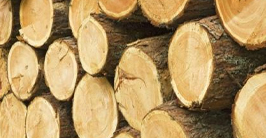
A piece of natural oak wood can take on virtually any hue; from light beige through brown and red. While white oak tends to look more beige-to-brown and red oak looks rosier, it’s not always easy to tell the difference between the various types of oak based on color alone. Moreover, the same oak tree can have different colors throughout, and both red and white oak stain well, meaning a piece can look as dark as walnut or even brighten a whole room when stained a vibrant hue.
Most trees show a significant color shift between the heartwood (innermost portion of the tree) and the sapwood (layer closest to the bark which transports the tree’s nutrients). You’ll see this in oak too, as the sapwood is usually a bit lighter, though this isn’t always the case. Sometimes, the heartwood and sapwood blend seamlessly in an oak tree.
You’ll also note that oak pieces will change color somewhat as the years pass, with white oak tending to pick up an amber hue.
Most trees show a significant color shift between the heartwood (innermost portion of the tree) and the sapwood (layer closest to the bark which transports the tree’s nutrients). You’ll see this in oak too, as the sapwood is usually a bit lighter, though this isn’t always the case. Sometimes, the heartwood and sapwood blend seamlessly in an oak tree.
You’ll also note that oak pieces will change color somewhat as the years pass, with white oak tending to pick up an amber hue.
Why Does Oak Wood Change Colors Over Time?
Oak wood may darken slightly over time, taking on more amber tones. This happens due to exposure to oxygen and UV light, making it a largely unavoidable process. When it comes to oak furniture, most people won’t even realize the change is happening, as the color change is fairly subt. They may catch on if they purchase a set one piece at a time or try to add in a new piece years down the road hoping for a match. For this reason, it’s generally better to purchase a full set all at once.
What are the Common Uses of Oak Wood?
Oak wood is prized in furniture making as well as in flooring and cabinetry because of its durability, workability, and natural beauty. White oak has some water resistance to it, so it has historically been the choice for crafting things like wine barrels and boats. Barrel-aged liquors are often aged in oak barrels.
Specifically, most mission style furniture is often crafted with solid oak, although it’s also common to find mission furniture crafted with cherry or maple (note that most of our product photos contain cherry furniture).
Specifically, most mission style furniture is often crafted with solid oak, although it’s also common to find mission furniture crafted with cherry or maple (note that most of our product photos contain cherry furniture).
What Does the Grain Pattern of Oak Wood Look Like?
Oak wood is generally straight-grained and has an uneven texture. However, there are other aspects of oak's grain that makes it quite unique. For example, white oak's water resistance lies in its pores. They're totally sealed off by tyloses. Red oak doesn’t have the same cellular growth and its pores are open. One other unique characteristic of oak is the rays which run alongside the grain. In red oak, it can sometimes look like someone took a dark pencil and drew dotted lines across a board. The same marks are present in white oak as well, but they tend to be much longer.
What is Quarter-Sawn Oak?
You may hear the phrase “quarter sawn” when people are discussing wood products, particularly oak furniture. This is a nod to how the wood was cut. Traditionally, a tree is simply sliced in a series of cuts which run parallel with the trunk, which means the grain comes to the top of the board at about a 30-degree angle. With this type of cut, usually referred to as plain sawn or flat sawn, it's very easy to get lots of workable boards from a single tree, and as such, it’s a little less expensive to manufacture and purchase.
As a variant to this, trees can also be quartered first. Think of it like a pizza sliced into four equal pieces. From there, each quarter is then cut into smaller boards running from the widest portion down the direction of the point. This makes the grain of the wood look different because the rings reach the face of the board at a 60-90-degree angle instead. Whereas a piece of flat sawn wood will have clear thick rings on it, which can sometimes even look like they were drawn with ink that bled, a quarter sawn piece will have finer lines which tend to run straighter. The grain pattern makes the wood easier to work with and can be used to craft more structurally-stable furniture. Plus, it’s gorgeous to look at, so it’s often used in premium pieces even though it's a little costlier to manufacture.
As a variant to this, trees can also be quartered first. Think of it like a pizza sliced into four equal pieces. From there, each quarter is then cut into smaller boards running from the widest portion down the direction of the point. This makes the grain of the wood look different because the rings reach the face of the board at a 60-90-degree angle instead. Whereas a piece of flat sawn wood will have clear thick rings on it, which can sometimes even look like they were drawn with ink that bled, a quarter sawn piece will have finer lines which tend to run straighter. The grain pattern makes the wood easier to work with and can be used to craft more structurally-stable furniture. Plus, it’s gorgeous to look at, so it’s often used in premium pieces even though it's a little costlier to manufacture.
Is Oak a Hardwood or a Softwood?
Oak is a hardwood. This distinction doesn't refer to a wood's ability to resist damage, though. It has to do with whether the wood came from a dicot or gymnosperm tree. Leafy trees are typically from the dicot group, and so they're all hardwoods. Others, such as pine and fir, are from the gymnosperm group, and that's why they're called softwoods.
5-Ash Wood
3-Maple Wood
Related Article

Compare acacia, beech, rubber wood, and bamboo for serving trays. Learn how to choose the right material for your brand, wholesale orders, and custom OEM projects.
What Wood Is Best for Serving Trays? A Guide to Acacia, Beech, Rubber Wood and Bamboo

Compare acacia wood and bamboo for wooden kitchenware. Learn their differences in durability, appearance, sustainability, and sourcing options for your brand.
Acacia Wood vs Bamboo: Which Material Is Better for Wooden Kitchenware?

The type of wood affects not only the appearance of the final product but also its durability, cost, sustainability, and market positioning.
For companies sourcing wooden home products, working with an experienced wooden homeware manufacturer can help select the most suitable materials based on product requirements and target customers.
This guide explains the characteristics of popular wood materials and how buyers can choose the best option for their custom wooden products.
For companies sourcing wooden home products, working with an experienced wooden homeware manufacturer can help select the most suitable materials based on product requirements and target customers.
This guide explains the characteristics of popular wood materials and how buyers can choose the best option for their custom wooden products.
How to Choose the Best Wood for Custom Homeware Products: A Complete Guide for Global Buyers
