5-Ash Wood
2022-11-29
Frequently Asked Questions About Ash Wood
Because there are many ash wood products on the market, people often wonder how it compares to other wood types and what it’s like to own a piece of ash wood furniture. We’ll address some of the most common questions below.

What Color is Ash Wood?
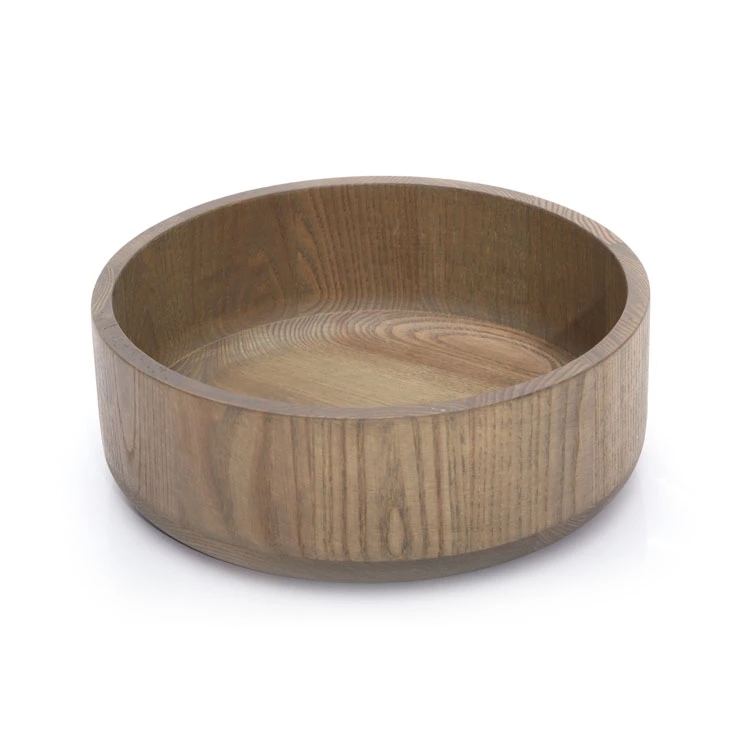
Unlike other trees which have large color variations between the innermost part of the tree (heartwood) and the outermost part of the tree (sapwood), it can sometimes be difficult to see where the line between the two is with ash. Overall, it’s quite light and tends to be various shades of beige which will darken slightly over time.
Why Does Ash Wood Change Colors Over Time?
All hardwoods tend to change hues a bit as the years go by. Generally speaking, lighter varieties will become richer, while darker woods will lighten some. This is a natural process caused by exposure to UV light and oxygen.
What are the Common Uses of Ash Wood?
Going back to ancient times, ash wood has been a major part of people’s lives. Early cultures used it for everything—from weapons to wagons—and even believed it had spiritual properties or the ability to heal and bring prosperity. These days, ash remains common in furniture, cabinets, flooring, tools, weapons, sports equipment, and more.
What Does the Grain Pattern of Ash Wood Look Like?
Ash wood almost always has a straight grain, though the conditions the tree grows in will occasionally create unique patterns. For example, if it’s strained or succumbs to a pest, that can impact the appearance of the grain. This is referred to as “figured wood.” For this reason, you’ll sometimes see curly or birdseye grain, among others. Spalted ash, in particular, is quite popular with artisan furniture designers, though figured woods are a bit harder to find than the straight-grained variety.
Is Ash a Hardwood or a Softwood?
While most people think “hardwood” is a reference to the durability or density of wood, it actually only refers to the type of tree the wood came from. If it’s a hardwood, that means it came from a dicot tree-- typically a broad-leafed variety of tree. If it’s a softwood, it came from a gymnosperm tree-- typically a conifer. Ash is a hardwood, along with cherry, oak, walnut, and maple. In contrast, some of the common softwoods found in woodworking include pine, fir, and cedar.




6-Cherry Wood
4-Oak Wood
Related Article

Compare acacia, beech, rubber wood, and bamboo for serving trays. Learn how to choose the right material for your brand, wholesale orders, and custom OEM projects.
What Wood Is Best for Serving Trays? A Guide to Acacia, Beech, Rubber Wood and Bamboo

Compare acacia wood and bamboo for wooden kitchenware. Learn their differences in durability, appearance, sustainability, and sourcing options for your brand.
Acacia Wood vs Bamboo: Which Material Is Better for Wooden Kitchenware?

The type of wood affects not only the appearance of the final product but also its durability, cost, sustainability, and market positioning.
For companies sourcing wooden home products, working with an experienced wooden homeware manufacturer can help select the most suitable materials based on product requirements and target customers.
This guide explains the characteristics of popular wood materials and how buyers can choose the best option for their custom wooden products.
For companies sourcing wooden home products, working with an experienced wooden homeware manufacturer can help select the most suitable materials based on product requirements and target customers.
This guide explains the characteristics of popular wood materials and how buyers can choose the best option for their custom wooden products.
How to Choose the Best Wood for Custom Homeware Products: A Complete Guide for Global Buyers
