
6-Cherry Wood
2022-11-29
Frequently Asked Questions About Cherry Wood
What Color is Cherry Wood?
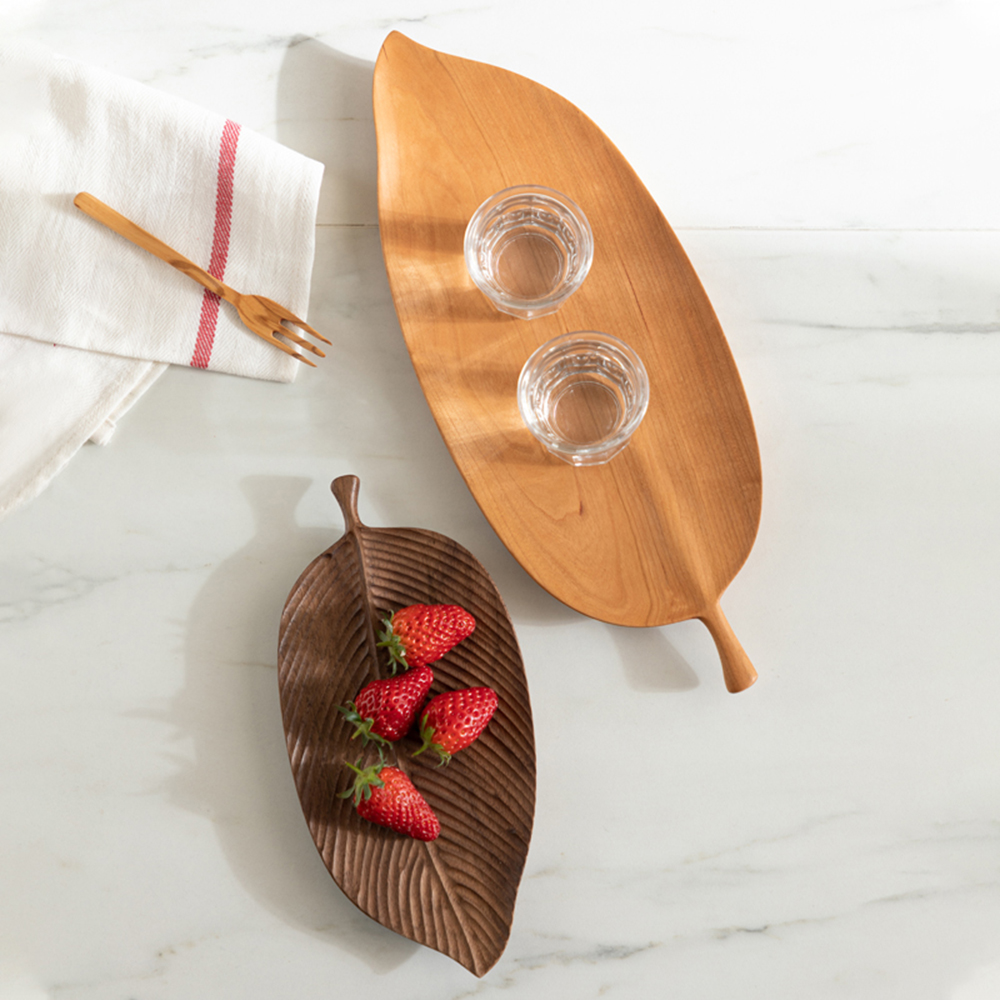
You may be surprised to learn that natural cherry wood changes colors over time and that the color can vary greatly between trees and even among different boards from the same tree. While many types of wood can darken over time, this process can be very distinct when dealing with cherry wood. It starts out a light golden/pink tone and darkens to a rich, reddish-brown color as it is exposed to light.
This darkening or “ripening” process is most apparent within the first six months of light exposure and it may continue for several years before reaching that beautiful, reddish brown hue that cherry wood is known for. You can accelerate the aging process by exposing the wood to as much natural light as possible.

This darkening or “ripening” process is most apparent within the first six months of light exposure and it may continue for several years before reaching that beautiful, reddish brown hue that cherry wood is known for. You can accelerate the aging process by exposing the wood to as much natural light as possible.
Why Does Cherry Wood Change Colors Over Time?
Although there's some debate about what exactly causes wood to change colors over time, most agree that it's one or a combination of the following factors: oxidation (exposure to air) and UV light. Both processes cause chemical changes in the molecules of the wood that affects how light reflects off the surface.
What are the Common Uses of Cherry Wood?
Cherry is perhaps the most prized furniture hardwood in America. Most of the highest grade cherry is used for this purpose. However, mid- and lower-tier cherry wood is often found in kitchen cabinets and wood flooring. It's also common in kitchen accessories like bowls, wood spoons, and cutting boards.
What Does the Grain Pattern of Cherry Wood Look Like?
Cherry wood has a smooth, closed grain pattern, much like that of maple wood. As with any natural product, we expect and embrace unique characteristics in the wood grain. A single cherry wood board can have several contrasting grain patterns depending on the growth of the tree.
Heartwood vs. Sapwood Grain
It is not uncommon to find different grain contrasts in the same piece of solid cherry wood furniture. The lighter grain was closer to the tree's bark (sapwood) and the darker grain was closer to the tree's center (heartwood).
When choosing boards for your furniture, our craftsmen typically focus on the darker heartwood, although occasionally there will be some sapwood. Our craftsmen will take the time to select and join boards that have the best available color and grain match.
When choosing boards for your furniture, our craftsmen typically focus on the darker heartwood, although occasionally there will be some sapwood. Our craftsmen will take the time to select and join boards that have the best available color and grain match.
Is Cherry a Hardwood or a Softwood?
Because cherry wood is milled from the deciduous prunus serotina, it is indeed considered a hardwood. All of the woods our craftspeople work with at Vermont Woods Studios are classified as hardwoods.
In contrast, wood milled from coniferous trees are considered softwood. Contrary to popular belief, the classification of a wood as a hardwood or softwood has nothing to do with the woods' density or resistance to scratches and dents.
In contrast, wood milled from coniferous trees are considered softwood. Contrary to popular belief, the classification of a wood as a hardwood or softwood has nothing to do with the woods' density or resistance to scratches and dents.


7-Beech Wood
5-Ash Wood
Related Article

Compare acacia, beech, rubber wood, and bamboo for serving trays. Learn how to choose the right material for your brand, wholesale orders, and custom OEM projects.
What Wood Is Best for Serving Trays? A Guide to Acacia, Beech, Rubber Wood and Bamboo

Compare acacia wood and bamboo for wooden kitchenware. Learn their differences in durability, appearance, sustainability, and sourcing options for your brand.
Acacia Wood vs Bamboo: Which Material Is Better for Wooden Kitchenware?

The type of wood affects not only the appearance of the final product but also its durability, cost, sustainability, and market positioning.
For companies sourcing wooden home products, working with an experienced wooden homeware manufacturer can help select the most suitable materials based on product requirements and target customers.
This guide explains the characteristics of popular wood materials and how buyers can choose the best option for their custom wooden products.
For companies sourcing wooden home products, working with an experienced wooden homeware manufacturer can help select the most suitable materials based on product requirements and target customers.
This guide explains the characteristics of popular wood materials and how buyers can choose the best option for their custom wooden products.
How to Choose the Best Wood for Custom Homeware Products: A Complete Guide for Global Buyers
