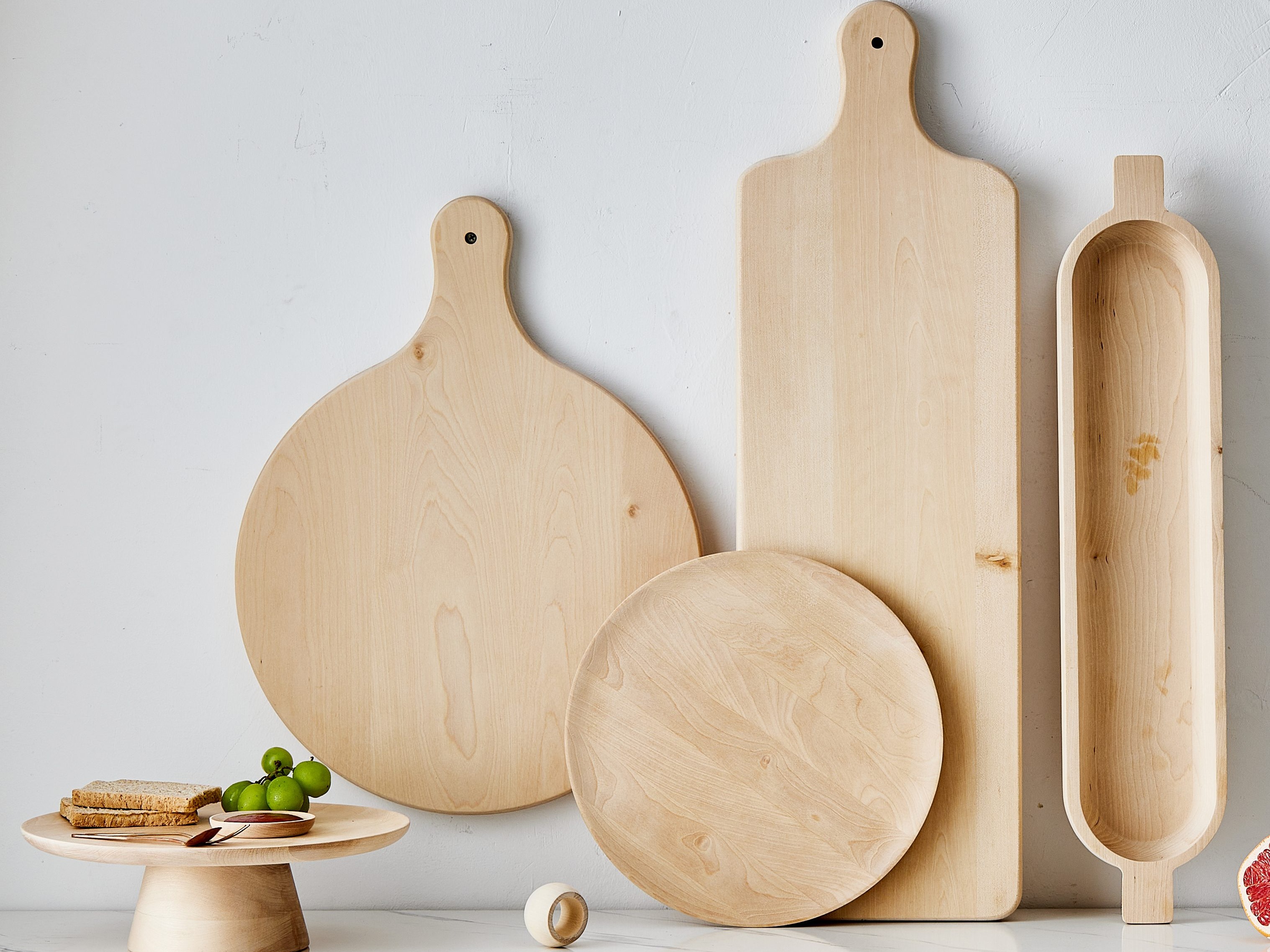
What to Look for in a Wooden Homeware Manufacturer: 10 Key Factors for Buyers

Wooden homeware has become an attractive category for retailers, wholesalers, importers, and private-label brands looking to develop products with a natural appearance and practical everyday value.
From decorative home accessories to tabletop products and functional household items, wood offers a versatile material for creating collections that suit different consumer preferences and retail markets.
However, choosing the right wooden homeware manufacturer involves more than comparing product catalogs and quotations. Buyers need to understand whether a manufacturer can turn product ideas into market-ready items, maintain consistent specifications, and support a growing product range over time.
A suitable manufacturing partner should understand both the characteristics of natural materials and the commercial requirements of international buyers.
Here are 10 key factors to consider when selecting a wooden homeware manufacturer.
1. Look for Experience in Wooden Homeware Manufacturing
Not every manufacturer that works with wood has the same level of experience in homeware production.
Wooden homeware requires knowledge of material properties, product functionality, surface finishing, construction, and appearance. These factors become especially important when developing products with specific dimensions, shapes, or decorative details.
When evaluating a manufacturer, consider its experience with:
-
Functional household products
-
Decorative wooden accessories
-
Tabletop and dining products
-
Bamboo and wood combinations
-
Custom product development
-
Products designed for international retail markets
Ask to see examples of completed projects and products that are similar to your concept.
A manufacturer with relevant experience may be better equipped to identify design limitations, recommend suitable materials, and suggest practical improvements before production begins.
2. Evaluate the Range of Wood and Bamboo Materials
Material selection affects a product's appearance, weight, durability, cost, and market positioning.
A capable wooden homeware manufacturer should understand how different materials perform across different applications.
Common options include:
Acacia Wood
Acacia is known for its distinctive grain and warm appearance. It can be suitable for decorative accessories, serving products, and selected functional homeware.
Beech Wood
Beech offers a relatively uniform appearance and is often considered for products that require a clean, understated design.
Rubberwood
Rubberwood can be an option for cost-conscious product development and larger-volume collections, depending on the design and required specifications.
Bamboo
Bamboo provides a natural appearance and can be used across kitchenware, organizers, tabletop accessories, and other household products.
Walnut and Oak
Walnut is often selected for its darker color and premium appearance, while oak can offer a recognizable grain and a classic visual character.
The right material depends on the product's purpose, target customers, expected selling price, and design requirements.
Before making a decision, ask the manufacturer to explain the advantages and limitations of each suitable material.
3. Check Whether the Manufacturer Can Develop New Products
For brands seeking differentiation, purchasing existing products may not be enough.
A manufacturer with product development capabilities can help transform a concept, reference image, drawing, or sample into a product that is suitable for production.
This process may involve:
-
Reviewing the original concept
-
Recommending suitable materials
-
Adjusting dimensions and proportions
-
Evaluating construction methods
-
Developing prototypes or samples
-
Refining details before mass production
For example, a retailer may want to develop a coordinated collection of wooden home accessories with consistent colors, finishes, and visual details.
A development-focused manufacturer can help assess whether the products can share materials, design elements, or production processes.
This can make the collection more consistent and easier to manage commercially.
4. Assess Design Flexibility and Customization
A good wooden homeware manufacturer should be able to discuss more than standard product options.
Depending on its capabilities, customization may include:
-
Product dimensions
-
Shapes and profiles
-
Material combinations
-
Surface finishes
-
Color treatments
-
Engraved or printed logos
-
Product details and accessories
-
Retail and gift packaging
When discussing customization, provide clear specifications rather than relying only on reference images.
For example, include approximate dimensions, preferred materials, target pricing, intended use, and packaging requirements.
The manufacturer should explain which elements can be customized, which may affect production costs, and which require additional development.
Clear communication at this stage can reduce misunderstandings and unnecessary revisions later.
5. Review the Manufacturer's Existing Product Portfolio
A manufacturer's product portfolio can reveal its practical capabilities and areas of specialization.
Look beyond the number of products displayed on its website. Pay attention to whether the range demonstrates a clear understanding of materials, functions, product categories, and design variations.
For buyers developing a broader homeware collection, a manufacturer with complementary product categories may offer advantages.
For example, a coordinated range might include:
-
Tabletop accessories
-
Decorative wooden objects
-
Household organizers
-
Functional home accessories
-
Bamboo homeware
-
Gift-oriented products
A broader portfolio can help buyers explore related products and maintain a consistent design direction across a collection.
However, a large catalog alone does not prove manufacturing expertise. Buyers should still assess the relevance and quality of the products most closely related to their project.
6. Examine Quality Consistency Across Natural Materials
Wood is a natural material, so differences in grain, color, and texture are normal.
The important question is whether the manufacturer can define and maintain acceptable quality standards.
Before ordering, discuss how the manufacturer manages:
-
Material selection
-
Surface smoothness
-
Product dimensions
-
Structural stability
-
Finishing consistency
-
Color variation
-
Defects and damage
-
Final product inspection
For natural wood products, buyers should distinguish between acceptable natural variation and manufacturing defects.
For example, some grain variation may be part of the intended appearance, while cracks, unstable construction, or rough finishing may be unacceptable.
Agree on product specifications and acceptable variation before approving the production sample.
For repeat orders, documented specifications can help reduce unexpected differences between batches.
7. Consider Sustainability and Material Traceability
Sustainability can influence purchasing decisions in many homeware markets.
Retailers and brands may need to understand where materials originate, how suppliers manage sourcing, and whether relevant documentation is available.
When evaluating a manufacturer, consider asking about:
-
Wood and bamboo sourcing
-
Available material documentation
-
Applicable forestry certifications
-
Supplier traceability
-
Waste reduction practices
-
Packaging material options
-
Relevant environmental management systems
Certifications should be verified for their scope, validity, and relevance to the products being purchased.
For example, an FSC-related claim should be checked against the applicable certificate and product requirements rather than assumed to cover every product a company offers.
Sustainability expectations vary by market and customer. Identify the requirements that apply to your project before placing an order.
8. Evaluate Packaging and Retail Readiness
Packaging is an important part of the final product, especially for brands selling through retail stores, online marketplaces, or gift channels.
A manufacturer that understands retail requirements may help buyers develop products that are easier to present, store, ship, and sell.
Depending on the project, packaging options may include:
-
Individual product boxes
-
Kraft paper packaging
-
Gift boxes
-
Paper sleeves
-
Product information cards
-
Barcode labels
-
Custom branding
-
Protective export packaging
Packaging should reflect the product's positioning and target market.
A premium gift item may require a different presentation from an everyday household accessory.
Buyers should also consider product protection during transportation. Wooden items can be scratched, dented, or damaged if packaging is poorly designed.
Discuss packaging dimensions, branding artwork, protection requirements, and shipping-carton specifications early in the development process.
9. Check Production Capacity and Long-Term Supply Potential
A manufacturer should be able to support not only the initial order but also potential future growth.
This is especially important when launching a new product collection or building a private-label brand.
Consider asking:
-
Can the manufacturer support repeat orders?
-
Can it manage multiple product models?
-
How does it plan production schedules?
-
Can it accommodate seasonal demand?
-
How are material availability and replenishment managed?
-
What happens if order quantities increase?
A supplier that can support a coordinated range may help reduce the complexity of managing multiple product development and production schedules.
However, capacity should be assessed against your actual requirements rather than assumed from the size of a showroom or product catalog.
Discuss expected order volumes, launch dates, and possible growth scenarios before entering a long-term arrangement.
10. Evaluate Communication and Long-Term Partnership Potential
Manufacturing relationships often involve multiple stages, including product selection, sampling, revisions, production, packaging, and shipment.
Clear communication helps keep these stages organized.
During the initial discussions, assess whether the manufacturer:
-
Understands your product requirements
-
Provides clear answers about materials and processes
-
Identifies potential production challenges
-
Communicates realistic timelines
-
Documents agreed specifications
-
Responds constructively to feedback
-
Supports future product development
A manufacturer that raises practical concerns early may be more valuable than one that agrees to every request without explaining the consequences.
For long-term cooperation, look for a partner that understands your business goals and can help you develop a coherent product collection over time.
How to Compare Wooden Homeware Manufacturers
When comparing potential manufacturers, create a simple evaluation table based on your priorities.
| Evaluation Factor | Questions to Consider |
|---|---|
| Industry experience | Has the manufacturer produced similar homeware products? |
| Material knowledge | Can it explain the advantages and limitations of suitable materials? |
| Product development | Can it turn an idea or reference into a workable product? |
| Customization | Can it adapt dimensions, finishes, logos, and packaging? |
| Product portfolio | Does its range match your target market? |
| Quality consistency | Are product specifications and inspection standards documented? |
| Sustainability | Can it provide relevant sourcing information and documentation? |
| Packaging | Can it support retail presentation and shipping protection? |
| Production planning | Can it support your order schedule and potential growth? |
| Communication | Does it provide clear, reliable, and practical answers? |
Assign a score to each factor according to your business needs. A premium brand may prioritize design, material selection, and finishing, while a large retailer may place greater emphasis on repeatability, product range, and production planning.
The best choice is the manufacturer that fits your product requirements and business strategy, not necessarily the one with the largest catalog or the lowest initial quotation.
Why Work with an Experienced Wooden Homeware Manufacturer?
Working with an experienced manufacturer can help buyers move from individual product sourcing toward more coordinated product development.
Instead of managing every item separately, buyers may be able to discuss materials, finishes, branding, and packaging across related products.
This approach can be useful for:
-
Retailers building a new homeware category
-
Wholesalers expanding their product selection
-
Private-label brands developing exclusive designs
-
Importers sourcing multiple related products
-
Businesses planning seasonal or gift collections
A manufacturer with knowledge of natural materials and international markets can help buyers identify practical solutions while keeping product requirements and commercial objectives aligned.
Why Choose NHTY for Wooden and Bamboo Homeware?
Ningbo Tianyi Natural Homeware Co., Ltd. (NHTY) is a manufacturer specializing in bamboo and wooden homeware, established in 2008.
According to the company's website, NHTY operates a 4,000-square-meter factory and a 1,200-square-meter showroom featuring more than 3,500 products.
Its material range includes acacia, bamboo, beech, rubberwood, walnut, oak, ash, olive wood, and maple.
NHTY's product portfolio covers kitchenware, tableware, storage, and other household product categories. The company also highlights integrated research and development, production capabilities, product customization, and low-MOQ options.
For buyers developing wooden or bamboo homeware collections, NHTY offers an opportunity to discuss material selection, product specifications, design adjustments, branding, and packaging within a broader homeware sourcing project.
The company lists FSC, BSCI, ISO 9001, and ISO 14001 certifications on its website. Buyers should confirm the applicable certification scope and documentation for their specific requirements.
To evaluate whether NHTY is suitable for your project, share your product concept, target market, preferred materials, estimated order quantity, and customization requirements.
Frequently Asked Questions
What should I look for in a wooden homeware manufacturer?
Focus on relevant manufacturing experience, material knowledge, product development, customization, quality consistency, sustainability documentation, packaging, production planning, and communication.
Can a wooden homeware manufacturer develop custom products?
Some manufacturers offer product development and customization services. Depending on their capabilities, these may include dimensions, shapes, materials, finishes, logos, and packaging.
Which wood is best for wooden homeware?
There is no single best material for every product. Acacia, beech, rubberwood, walnut, oak, ash, olive wood, maple, and bamboo may be suitable for different applications. The right choice depends on function, appearance, budget, and target customers.
How can I assess the quality of wooden homeware?
Request samples, review material and finishing quality, check dimensions and structural stability, and agree on acceptable natural variation. Document the approved specifications before mass production.
Why is packaging important when sourcing wooden homeware?
Packaging protects products during transportation and influences retail presentation. It should match the product's positioning, destination market, and distribution channel.
Should I choose a manufacturer based on price alone?
No. Compare the overall value, including material suitability, product development, finishing, packaging, consistency, communication, and long-term supply potential.
Conclusion
Choosing a wooden homeware manufacturer is an important decision for retailers, wholesalers, importers, and private-label brands.
The right partner should offer more than a broad product catalog. It should understand natural materials, support product development, maintain clear specifications, and help you build a product range that fits your target market.
Before making your decision, evaluate these 10 factors:
-
Manufacturing experience
-
Wood and bamboo material knowledge
-
Product development capabilities
-
Design flexibility and customization
-
Existing product portfolio
-
Quality consistency
-
Sustainability and traceability
-
Packaging and retail readiness
-
Production capacity and long-term supply
-
Communication and partnership potential
A careful evaluation can help reduce sourcing risks and create a stronger foundation for long-term business growth.
Looking for a manufacturer for your next wooden or bamboo homeware collection? Contact NHTY to discuss your product ideas, material options, and customization requirements.
How to Choose a Wooden Jewelry Organizer: Materials, Design, and Customization for Buyers
What Certifications Are Required for Wooden Kitchenware?
Related Article