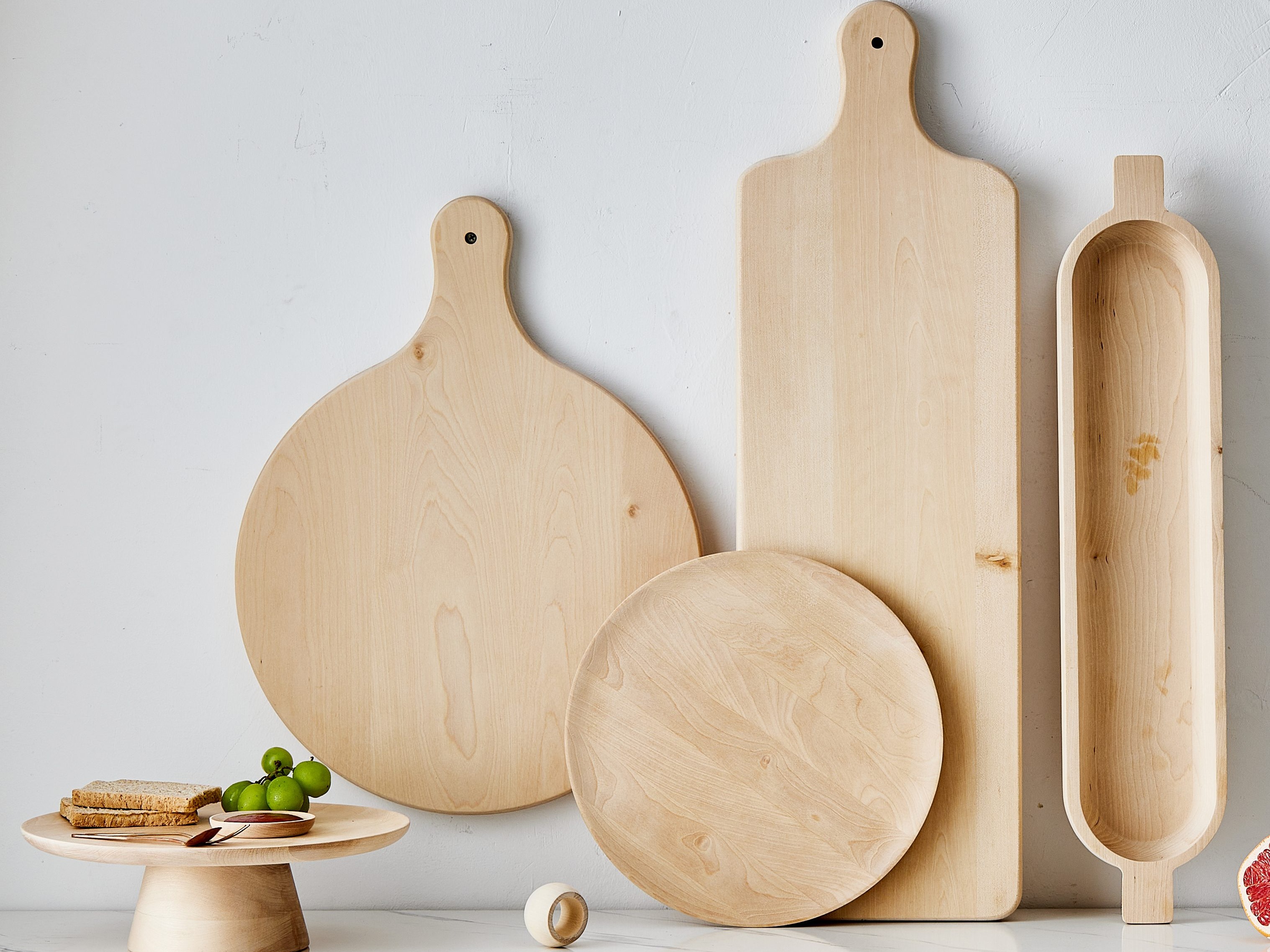
How to Choose a Wooden Jewelry Organizer: Materials, Design, and Customization for Buyers
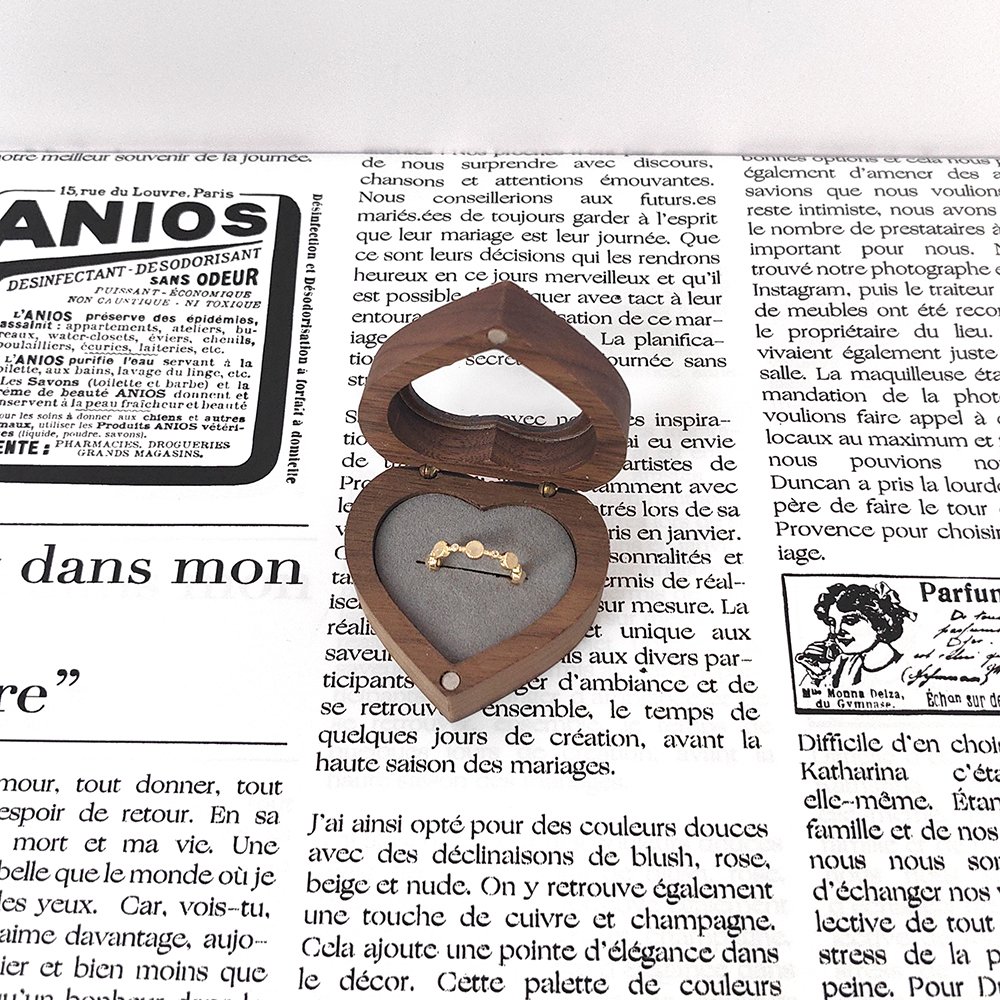
A well-designed jewelry organizer helps consumers keep necklaces, earrings, rings, bracelets, and other accessories neatly arranged. For retailers, wholesalers, importers, and private-label brands, wooden jewelry organizers offer an opportunity to combine practical storage with a natural and attractive appearance.
However, different customers have different storage needs. Some prefer compact organizers for everyday use, while others need larger solutions with dedicated compartments for various types of jewelry. Material selection, internal layout, surface finishing, and packaging can all influence a product's appeal and commercial potential.
For buyers sourcing wooden jewelry organizers, choosing the right product involves more than comparing prices. It requires understanding the target market, product functionality, design possibilities, and manufacturing requirements.
This guide explains how to select a wooden jewelry organizer for retail, wholesale, and private-label projects.
1. Identify Your Target Market and Product Positioning
Before selecting a design, define who will use the product and how it will be sold.
Everyday consumers: Compact organizers with a small footprint may be suitable for dressing tables, bedroom shelves, or bathroom counters.
Premium homeware customers: These buyers may prefer carefully finished wood, coordinated colors, refined details, and gift-ready packaging.
Gift retailers: Jewelry organizers can be positioned as practical gifts for birthdays, holidays, weddings, and other special occasions.
Private-label brands: Brands may need distinctive designs, customized dimensions, branded packaging, or coordinated products that match an existing collection.
Your target market should determine the product's size, material, appearance, functionality, and target price. Establishing these priorities early helps avoid unnecessary design changes later.
2. Choose the Right Wood or Bamboo Material
Material selection affects appearance, weight, durability, manufacturing cost, and brand positioning.
Acacia Wood
Acacia is known for its distinctive grain and warm natural appearance. It can suit jewelry organizers designed to highlight natural patterns and individual character.
Beech Wood
Beech offers a relatively uniform appearance and can work well for minimalist designs, simple geometric shapes, and light-colored finishes.
Rubberwood
Rubberwood may be suitable for cost-conscious collections, depending on the product design, specifications, and intended price point.
Bamboo
Bamboo offers a clean, natural look and may complement contemporary or eco-conscious homeware collections. Its construction and finishing requirements should be evaluated for the intended application.
Walnut and Other Hardwood Options
Walnut provides a darker, sophisticated appearance that may suit premium collections. Other wood species can also be considered depending on availability, design requirements, and budget.
When comparing materials, ask about grain consistency, color variation, moisture management, surface finishing, and the availability of repeat-order materials.
The best material is not necessarily the most expensive one. It is the option that fits your product concept, customer expectations, and commercial goals.
3. Select a Functional Internal Layout
The internal layout determines how effectively the organizer stores different types of jewelry.
Before finalizing a design, identify the accessories your target customers are most likely to store.
Consider features such as:
-
Small compartments for rings and earrings
-
Longer sections for bracelets and accessories
-
Necklace hooks or hanging sections
-
Removable dividers
-
Open trays for frequently used items
-
Stackable or modular components
Not every organizer needs all these features. A compact product with a clear layout may be more practical than a large organizer with unnecessary compartments.
For necklace storage, consider how the design can reduce tangling. For rings and earrings, evaluate compartment size and accessibility. If the product includes a lid, check whether it closes securely without interfering with the contents.
A useful design balances storage capacity, ease of access, appearance, and manufacturing practicality.
4. Consider Size, Shape, and Placement
The organizer should fit comfortably into the space where consumers expect to use it.
Common placement options include dressing tables, bedside tables, wardrobes, bathroom counters, and shelves.
When developing dimensions, consider:
-
Available countertop or shelf space
-
The number of jewelry items to be stored
-
Product height and depth
-
Ease of opening and closing
-
Portability
-
Storage and shipping requirements
Rectangular designs can make efficient use of shelf space, while square or rounded designs may create a different visual style. Tiered or compartmentalized designs can provide additional storage, but they may increase complexity and cost.
Whenever possible, develop a sample and test it with representative jewelry before approving the final dimensions.
5. Evaluate Surface Finishes and Construction
Finishing affects both the appearance and the perceived quality of a wooden jewelry organizer.
Depending on the design, possible finishes include natural wood finishes, oil-based treatments, matte finishes, stained surfaces, or painted details.
When evaluating samples, inspect:
-
Surface smoothness
-
Rounded or finished edges
-
Consistency of color
-
Quality of joints and assembly
-
Stability on a flat surface
-
Alignment of lids and dividers
-
Resistance to scratches during normal handling
The finish should match the intended use and market positioning. A minimalist collection may benefit from a simple natural finish, while a premium gift product may require more refined detailing.
Do not judge quality from photographs alone. Request physical samples and agree on acceptable natural variations before mass production.
6. Explore Customization and Private-Label Options
Customization can help brands create a distinctive product rather than competing solely on price.
Depending on the manufacturer's capabilities, options may include:
-
Custom dimensions and compartment layouts
-
Alternative wood or bamboo materials
-
Customized colors and finishes
-
Laser-engraved logos
-
Printed branding
-
Customized lids or decorative details
-
Branded inserts and product cards
-
Retail or gift packaging
For efficient product development, prepare a clear brief that includes reference images, drawings, dimensions, material preferences, target pricing, and estimated order quantities.
Ask the manufacturer which elements can be modified using an existing design and which require new tooling, prototyping, or additional development time.
Confirm all specifications and branding artwork before approving the production sample.
7. Check Quality Standards and Material Documentation
Wood is a natural material, so differences in grain and color may occur. Buyers should establish clear standards that distinguish acceptable variation from manufacturing defects.
Discuss the manufacturer's approach to:
-
Raw material selection
-
Moisture management
-
Surface finishing
-
Dimensional accuracy
-
Assembly and stability
-
Final inspection
-
Packaging protection
If sustainability claims or certified materials are important to your brand, request relevant documentation and verify its scope and validity. Do not assume that a manufacturer's certification automatically covers every material or product.
Quality requirements should be appropriate for the product's intended market and use.
8. Plan Packaging for Retail and Wholesale
Packaging influences product protection, shelf presentation, shipping efficiency, and the overall customer experience.
Potential options include kraft boxes, printed retail boxes, gift boxes, paper sleeves, protective inserts, and product information cards.
For private-label projects, packaging can incorporate brand colors, logos, barcodes, and product information.
Before finalizing packaging, check the product dimensions, the amount of protective material required, and the shipping-carton configuration. Poorly designed packaging can increase shipping costs or allow wooden components to become scratched during transportation.
The packaging should support the product's positioning without adding unnecessary complexity or cost.
9. Compare Manufacturing Costs and Minimum Order Quantities
The quoted unit price is only one part of the total sourcing cost.
Consider the possible costs of:
-
Product manufacturing
-
Custom tooling or development
-
Sample production
-
Logo application
-
Customized packaging
-
Quality inspection
-
Shipping and import expenses
Minimum order quantities may differ according to the product, materials, customization, and packaging requirements.
When requesting a quotation, provide the estimated quantity, target market, required specifications, and preferred delivery date. Ask the manufacturer to identify any additional development or setup costs.
Comparing quotations against the same specifications makes it easier to evaluate overall value.
10. Choose a Manufacturer That Supports Your Product Development
For long-term sourcing, buyers should consider whether a manufacturer can support future product improvements and related product categories.
Look for a partner that communicates clearly, understands your design objectives, explains technical limitations, and documents agreed specifications.
A manufacturer experienced in wooden and bamboo homeware may be able to discuss material selection, product construction, finishes, branding, and packaging for a broader collection.
Ningbo Tianyi Natural Homeware Co., Ltd. (NHTY) specializes in bamboo and wooden homeware and highlights integrated product development and production, customization, and a broad homeware portfolio on its website. Buyers interested in a wooden jewelry organizer should contact the company to confirm whether the proposed design is suitable for its current manufacturing capabilities.
Learn more about the company on the NHTY official website or visit its About Us page.
How to Compare Wooden Jewelry Organizers
| Evaluation Factor | What to Check |
|---|---|
| Material | Appearance, availability, and suitability |
| Internal layout | Compartment size and ease of access |
| Dimensions | Fit with the intended storage space |
| Construction | Stability, assembly, and durability |
| Finish | Smoothness, color consistency, and appearance |
| Customization | Dimensions, materials, branding, and details |
| Quality control | Documented specifications and inspections |
| Packaging | Product protection and retail presentation |
| Cost | Total sourcing cost, not just unit price |
| Manufacturer | Relevant capabilities and communication |
Frequently Asked Questions
What is the best wood for a jewelry organizer?
There is no single best option. Acacia, beech, rubberwood, walnut, and bamboo may suit different designs and price points. The right choice depends on appearance, construction, availability, and target customers.
What features should a wooden jewelry organizer have?
Useful features may include appropriately sized compartments, accessible storage, necklace management, secure lids, and a layout suited to the intended jewelry. The best configuration depends on customer needs.
Can wooden jewelry organizers be customized with a logo?
Depending on the manufacturer's capabilities and the product design, customization may include laser engraving, printing, branded inserts, and retail packaging.
How can I evaluate product quality before ordering?
Request samples and check the materials, dimensions, surface finish, assembly, stability, and packaging. Confirm the approved specifications before mass production.
What should I include in a quotation request?
Provide reference images or drawings, dimensions, materials, finish preferences, logo requirements, packaging details, estimated quantities, destination market, and required delivery date.
Can a wooden homeware manufacturer develop a new jewelry organizer?
Some manufacturers offer custom product development. Buyers should share their concept and confirm the manufacturer's design, prototyping, and production capabilities before proceeding.
Conclusion
Choosing the right wooden jewelry organizer requires a balance of functionality, material selection, design, quality, customization, and cost.
For retailers, wholesalers, and private-label brands, the strongest product is one that meets customer needs while remaining practical to manufacture, package, and distribute.
Before placing an order, define your target market, compare suitable materials, test the internal layout, approve a physical sample, and confirm the complete product and packaging specifications.
If you are exploring a customized wooden or bamboo homeware project, contact NHTY to discuss your concept and confirm the available development options.
What to Look for in a Wooden Homeware Manufacturer: 10 Key Factors for Buyers
Related Article