
Introduction to Acacia Wood Timber and Products


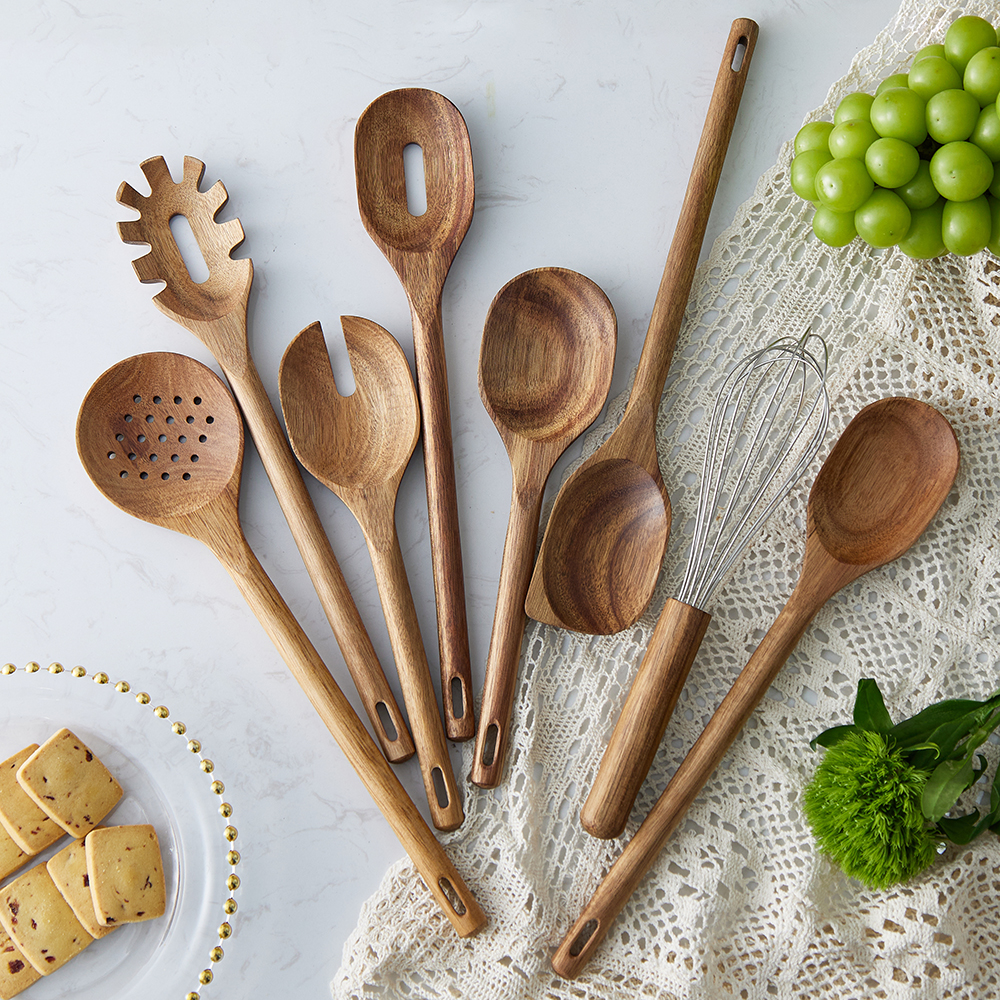


Acacia wood, derived from various species of the Acacia genus, is a versatile hardwood known for its durability, unique grain patterns, and sustainability. It is widely used in woodworking, furniture making, and home decor industries due to its exceptional properties and aesthetic appeal. Here is an overview of acacia wood timber and its products:
Properties of Acacia Wood:
-
Durability: Acacia wood is highly durable and resistant to rot, decay, and moisture, making it suitable for both indoor and outdoor applications. It can withstand harsh weather conditions, making it ideal for outdoor furniture and decking.
-
Unique Grain Patterns: Acacia wood features distinctive grain patterns, ranging from straight to wavy or interlocked, adding character and visual interest to finished products. The wood may also display natural knots, swirls, and color variations, enhancing its rustic charm.
-
Stability: Acacia wood exhibits good dimensional stability, meaning it is less prone to warping, shrinking, and swelling when exposed to changes in humidity and temperature. This makes it an excellent choice for flooring, countertops, and tabletops.
-
Workability: Acacia wood is moderately easy to work with using both hand and power tools. It cuts, sands, and finishes smoothly, allowing for intricate detailing and carving. However, the density of acacia wood may require sharp tools and careful handling during woodworking processes.
Common Uses of Acacia Wood:
-
Furniture: Acacia wood is widely used in furniture making due to its durability and unique aesthetic appeal. It is used to craft a variety of furniture pieces, including tables, chairs, benches, cabinets, and bookcases.
-
Flooring and Decking: Acacia wood flooring and decking are popular choices for residential and commercial spaces. Its durability, stability, and resistance to moisture make it suitable for high-traffic areas and outdoor environments.
-
Kitchenware: Acacia wood is used to make kitchenware such as cutting boards, serving trays, bowls, and utensils. Its natural antibacterial properties and resistance to staining make it a hygienic and functional choice for food preparation and serving.
-
Home Decor: Acacia wood is used to create decorative items such as wall art, sculptures, vases, and picture frames. Its warm tones and unique grain patterns add a touch of natural beauty to interior spaces.
-
Outdoor Structures: Acacia wood is used for outdoor structures such as pergolas, fences, and garden furniture. Its durability and resistance to decay and insects make it well-suited for outdoor applications.
Sustainability of Acacia Wood:
Acacia wood is harvested from responsibly managed forests, ensuring the sustainability of natural resources and ecosystems. By adhering to sustainable forestry practices, acacia wood remains a renewable and environmentally friendly material choice.
Conclusion:
Acacia wood timber is valued for its durability, unique grain patterns, and sustainability, making it a versatile material for a wide range of applications in woodworking, furniture making, and home decor. With its exceptional properties and natural beauty, acacia wood continues to be a popular choice among craftsmen, designers, and homeowners seeking quality and aesthetic appeal.
Introduction to Bamboo Timber and Products
Introduction to Beech Wood Timber and Products
Related Article



For companies sourcing wooden home products, working with an experienced wooden homeware manufacturer can help select the most suitable materials based on product requirements and target customers.
This guide explains the characteristics of popular wood materials and how buyers can choose the best option for their custom wooden products.
